REVIEW · SAN GIMIGNANO
San Gimignano: Vineyard Walk with Wine Tasting in winery
Book on GetYourGuide →Operated by Tenuta Torciano Winery · Bookable on GetYourGuide
Spiral vines turn wine time into a show. This visit to Tenuta Torciano Winery gives you a guided look at the Giachi family vineyards and how their wine moves from working rows to cellar and tasting room. You’ll see the big attraction in this part of Tuscany: a spiral vineyard built to mix visual wow-factor with tradition.
What I like most is the combination of a real walk and a real explanation. You’ll stroll through the green rows, learn how wine gets made, then step inside the barrel room and wine cellar to connect the science with the final pour. The only real drawback to plan for: if weather turns ugly, you may not be able to complete the vineyard portion and the provider may adjust the visit location based on availability.
In This Review
- Key highlights worth caring about
- Tenuta Torciano and the spiral-vineyard view near San Gimignano
- Getting started at the meeting point in Loc. Ulignano
- The 1.5-hour walk: green rows, first lessons, and how wine begins
- Estate tour with a guide: tying the past to the current production line
- Barrel room and cellar time: where aging work meets real-world smells
- Tasting room pours: what you’ll drink and how to get more out of it
- Price and value: is $100 for 1.5 hours a fair deal?
- Weather, pace, and what to expect on the day
- Who should book this San Gimignano winery walk?
- Should you book Tenuta Torciano’s spiral vineyard wine tasting?
- FAQ
- How long is the vineyard walk and wine tasting?
- Where is the meeting point for the tour?
- What’s included in the price?
- Is pickup or drop-off included?
- What should I bring?
- What happens if the weather is bad?
- What’s the cancellation window?
Key highlights worth caring about
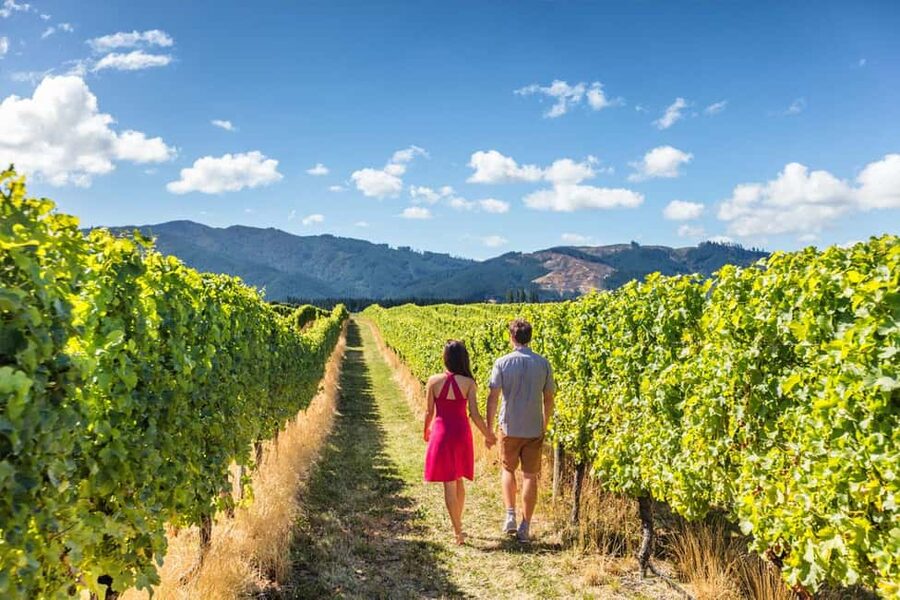
- Spiral vineyard spectacle: rows arranged in a spiral circle around a central stone island vantage point
- Giachi family production story: trace the historical roots to today’s production line with a local guide
- Barrel room + cellar time: see where wine is aged and stored before tasting
- Tasting room pours: taste wines from the estate’s own production
- Tuscany countryside walk: comfortable shoes matter because you’re walking the grounds
- Welcoming staff energy: the wine maker and team keep things friendly and easy to follow
Tenuta Torciano and the spiral-vineyard view near San Gimignano
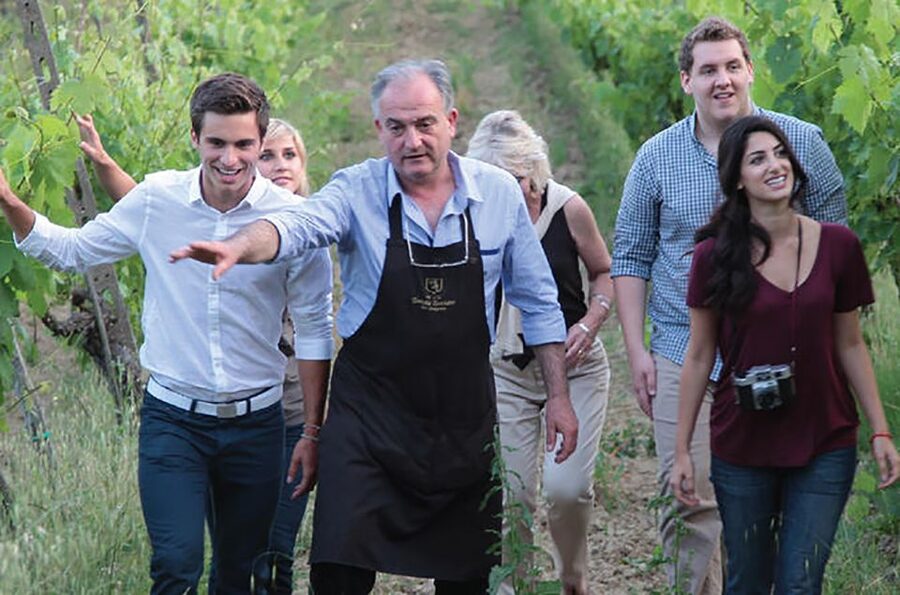
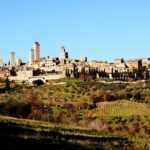
San Gimignano is known for its towers, but this experience shifts the focus from skyline to working countryside. The star here is the spiral vineyard: vines trained in a spiral circle, organized with spaced rows that create a clear pattern when you’re standing at the right spot. The design uses a central stone island as a vantage point, so the whole arrangement reads like a planned artwork rather than a random set of rows.
I like this kind of winery visit because it teaches with visuals. Before you even get to the cellar, you’re forced to pay attention: why the vines are placed the way they are, why spacing matters, and how an estate can respect tradition while still building something new that attracts visitors.
And since this is tied to the Giachi family vineyards, you’re not just looking at pretty plants. You’re looking at a working wine operation, guided by someone who can connect what you see outside to what happens inside.
You can also read our reviews of more tours and experiences in San Gimignano.

Getting started at the meeting point in Loc. Ulignano
You meet at Tenuta Torciano Winery, Via Crocetta 16 – Loc. Ulignano, 53037 San Gimignano (Siena). Plan on arriving with a little extra buffer so you can settle in. The visit is short—1.5 hours—so there’s not much time to get lost, chat yourself hungry, or adjust clothing.
A practical heads-up: there’s no pickup or drop-off included. You’ll want to have your own plan for getting there. The good news is parking is included, which makes it easier to treat this as a focused stop rather than a whole day logistics project.
The host or greeter supports English and Italian, and the experience is designed for a broad range of people: wine lovers, plus first-timers who just want a solid first “how it actually works” taste of wine culture.
The 1.5-hour walk: green rows, first lessons, and how wine begins
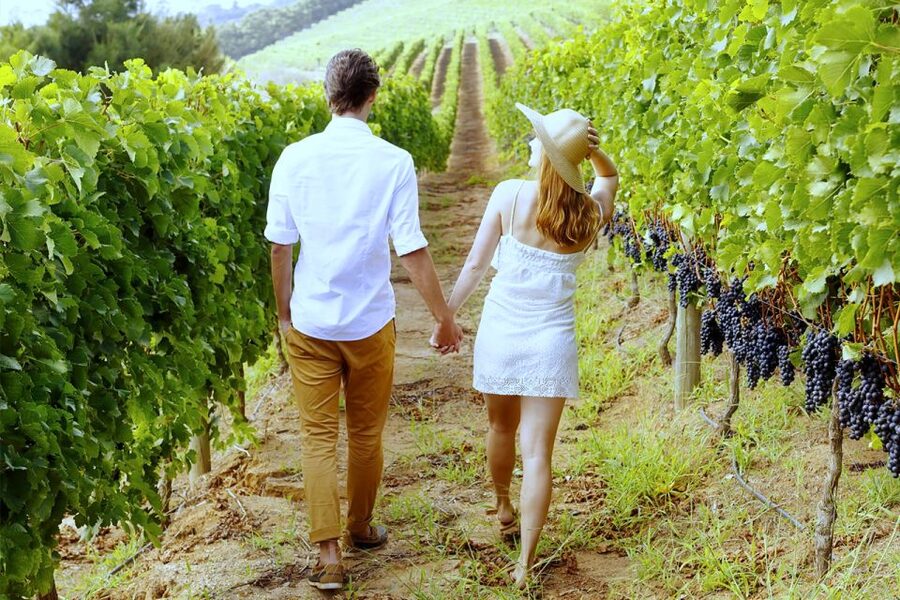
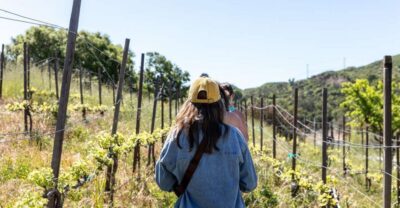
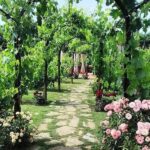
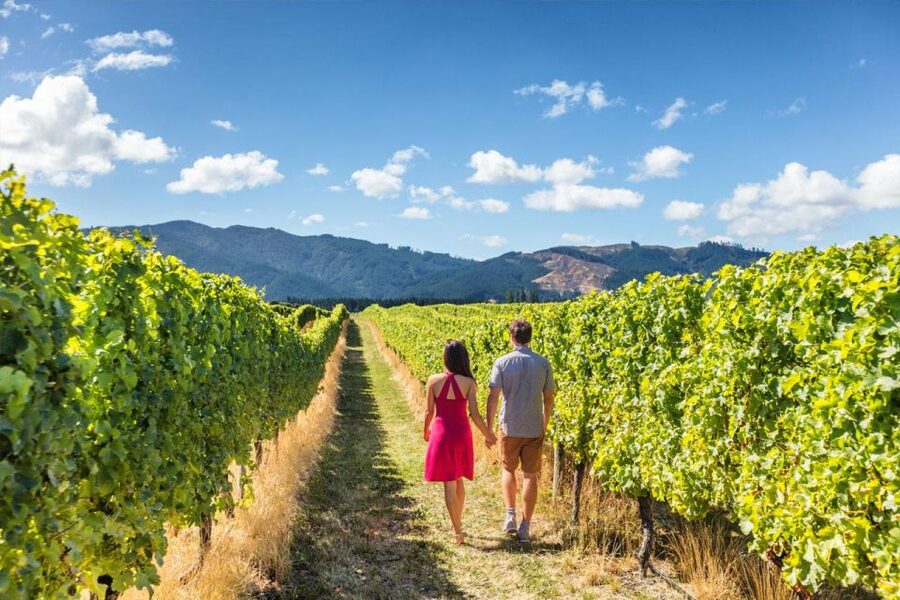
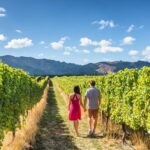
The walk through the vines is the heart of the experience. You’ll follow your guide on a route that takes you past the estate’s green vineyard rows and into the production story. This isn’t a sit-and-smile tasting only. You’re getting a sense of what the vines are doing throughout the season and how vineyard choices affect the wine you’ll drink later.
Here’s the value for your money: if you only taste wine, you get flavors. If you walk the vines and hear the basics, you get context. You start noticing that wine isn’t a magic trick that happens in a glass—it’s the result of decisions made in the vineyard, then carried into cellar work.
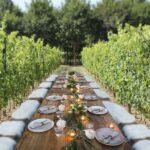
You’ll also learn about the idea of a spiral vineyard as an attraction that still supports the practical needs of growing grapes. The spacing and circular arrangement isn’t just for looks. It creates a coherent, repeatable structure for the vines—something your guide can connect back to tradition and production.
Practical tip: wear comfortable shoes. Even if the route doesn’t sound extreme, it’s still a winery grounds walk, and you’ll feel it if you show up in stiff sandals or slick shoes.
One more weather consideration. In bad conditions, the vineyard walk can be limited or skipped. The provider may change the location based on availability, so keep your expectations flexible if the forecast looks uncertain.
Estate tour with a guide: tying the past to the current production line
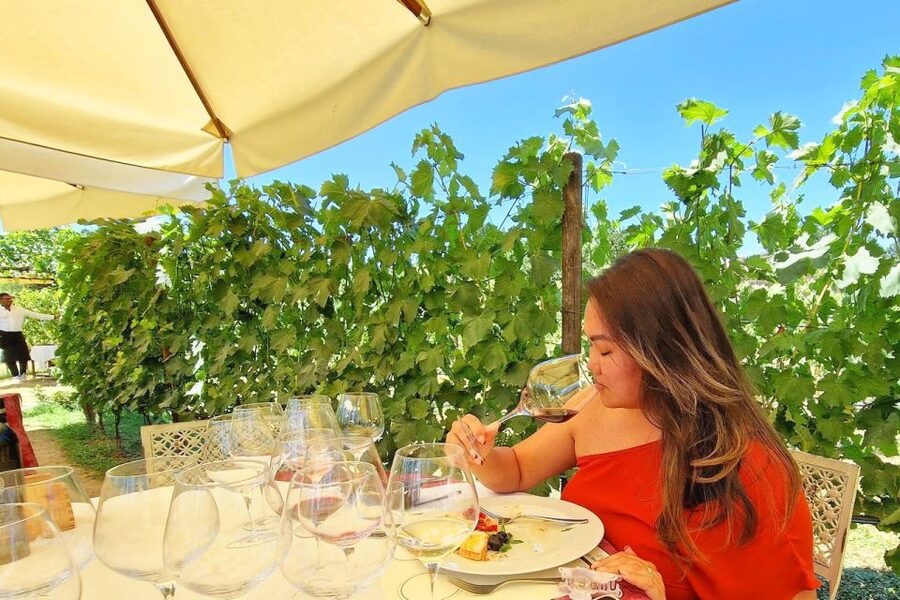
A key part of this experience is the guided estate tour. Your guide traces the historical roots that led to the estate’s current production line, then shows you how that history shows up in what they do today. This is where the visit feels more than a simple tour of rooms.
For first-time wine visitors, this helps you avoid the common confusion of wine jargon. Instead of memorizing terms, you’ll hear a clear story: what the vineyard does, how the winery processes grapes, and why the cellar setup matters.
For wine lovers, this is a chance to compare “how it’s done here” with what you’ve learned elsewhere. It’s not a lecture that tries to overwhelm you; it’s a guided flow that keeps you moving through spaces that match the story you’re hearing.
Also, since the estate visit includes estate, vineyard, and winery tour, you’re not only bouncing between one or two rooms. You’re getting the broader picture—vineyard to building to tasting.
Barrel room and cellar time: where aging work meets real-world smells
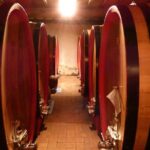
After the walk, the experience shifts into the heart of the winery: the barrel room and wine cellar. This is where the experience becomes tangible. Seeing barrels and cellar storage makes the process feel physical, not abstract.
Barrel room and cellar visits matter because aging is where many wines pick up their character—texture, aroma development, and how the wine settles into its final profile. Even if you’re not trying to become a wine scientist, you’ll leave with a better instinct for why two wines from different producers can taste totally different.
And yes, the atmosphere is part of the point. A cellar has a different sound, temperature, and smell than outside. That contrast helps your brain connect the vineyard story you just heard with the winemaking reality inside.
If you’re the type who likes a quick “what do I look at?” moment, this is where you’ll get it. You’ll see storage and get a sense of workflow. You’ll also see why wine tasting makes more sense after you’ve walked the spaces where the wine actually lives.


Tasting room pours: what you’ll drink and how to get more out of it
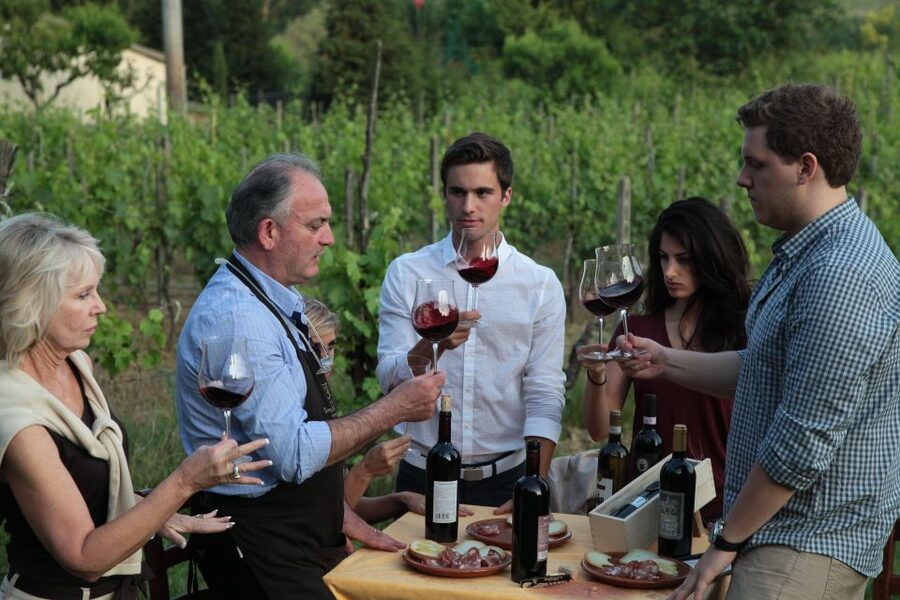
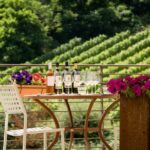
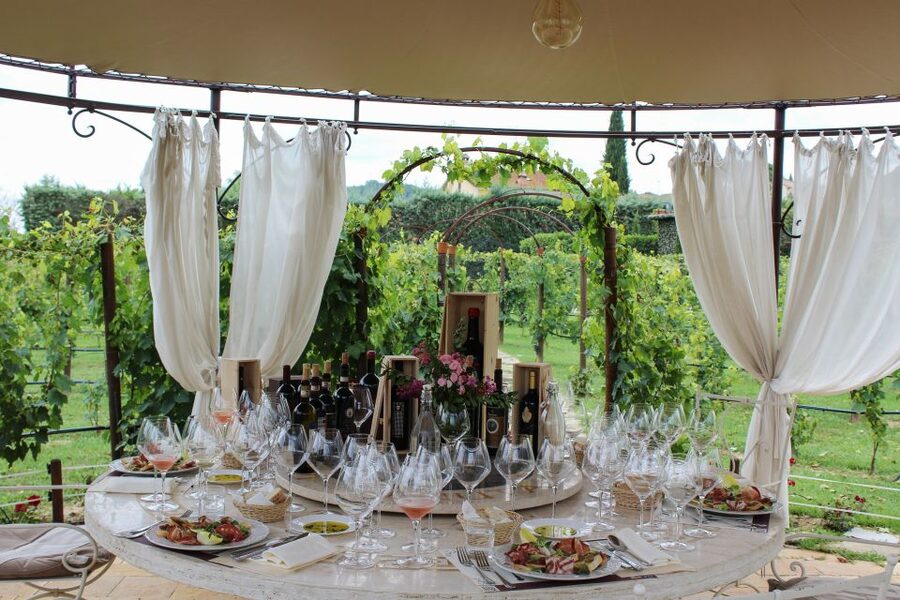
The tasting is the payoff. In the tasting room, you’ll sample wines from the estate’s own production. Since the experience is wine tasting included, you’re tasting as part of the guided flow rather than doing it as a separate add-on later.
I also like that this isn’t pitched only at hardcore wine people. The visit is aimed at both wine lovers and beginners, and that comes through in the pacing: the guide gives context, then you taste. That reduces the guesswork. You’re not standing there thinking, What am I supposed to notice?
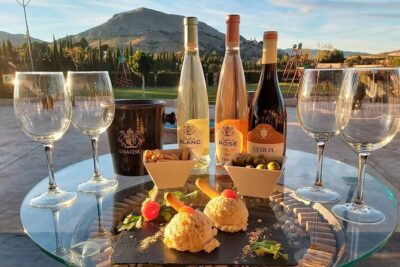
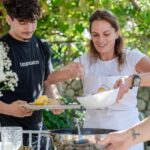
One detail that shows up in how this experience is described by visitors: the tasting may include food alongside the pours. That matters, because wine can feel easier to read when you have bites that balance acidity, soften tannins, and reset your palate between samples.
To get the most out of your tasting:
- Sip slowly and compare your notes to what you saw in the cellar
- Pay attention to how the wine changes from the first pour to the later ones
- If you’re a beginner, ask the guide what’s driving the flavor differences—this is exactly the kind of question a good host can answer
The staff and wine maker style here is described as welcoming and relaxed, with clear explanations that don’t talk down. That makes the tasting feel like a conversation, not a performance.
Price and value: is $100 for 1.5 hours a fair deal?
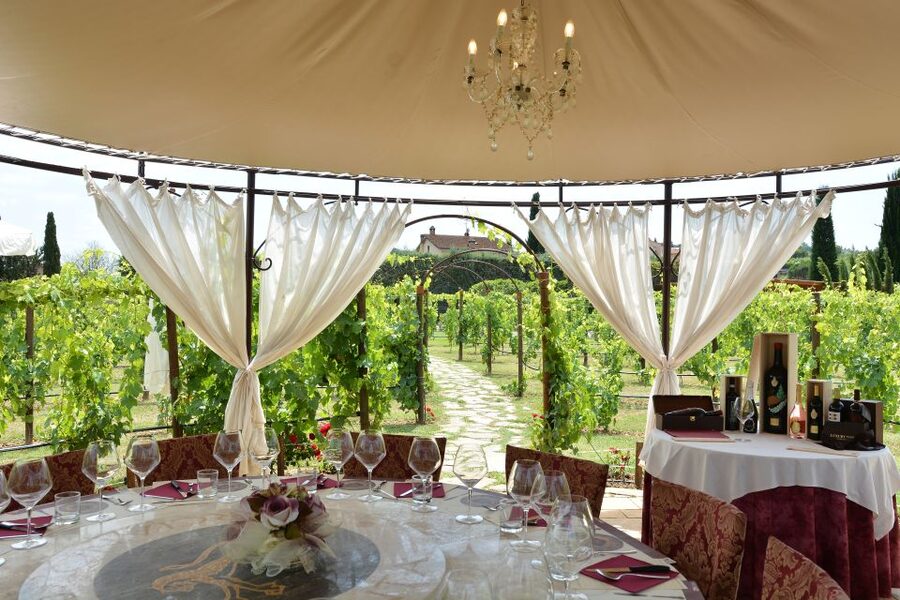
At $100 per person for 1.5 hours, you should think of this as a short, guided, multi-room winery experience. You’re paying for more than wine. You’re paying for:
- A guided walk through the vineyard
- Access to the barrel room and wine cellar
- Estate production context tied to the Giachi family
- A structured tasting in the tasting room
- Parking, and the visit includes tips and taxes
So the value depends on your goal. If you just want a quick glass, you might find cheaper tastings nearby. But if you want the full “see it, hear it, taste it” sequence in a compact time window, this price starts to make sense.
It also helps that the setting is in the San Gimignano area with a specific attraction—the spiral vineyard—which you can’t easily replicate anywhere else in Tuscany. That visual element is more than decor; it’s part of the educational experience.
Weather, pace, and what to expect on the day
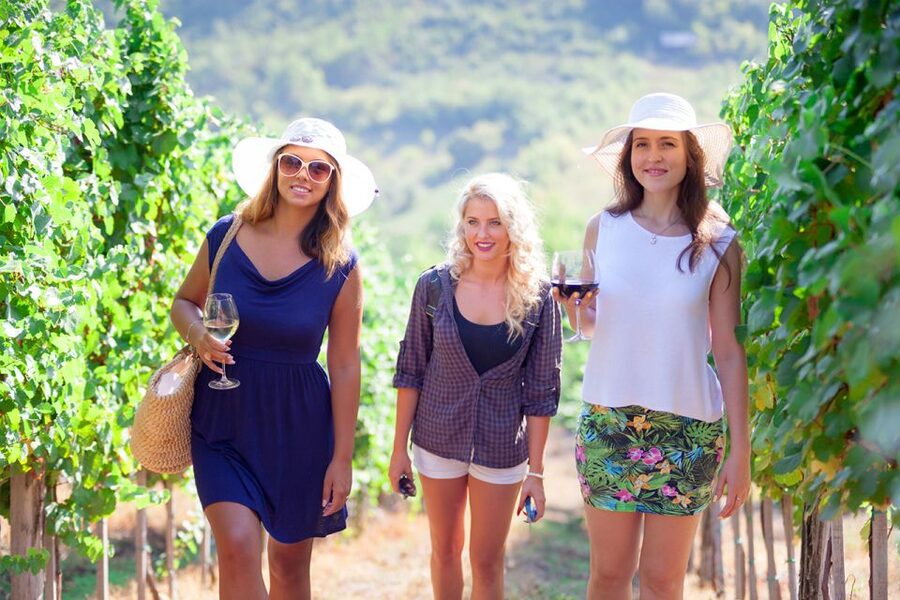
This tour is built for walking and touring. That means your comfort matters. Bring comfortable shoes so you’re not stuck watching where you step instead of listening to the guide.
The other real variable is weather. If conditions are adverse—rain, extreme temperatures—the provider reserves the right to change the location based on availability. If you don’t accept the variation, the provider won’t be held responsible. In practice, that can mean less time in the vines and more time elsewhere.
Plan for this mentally. If your heart is set on the full vineyard walk, check the forecast. If you’re flexible and just want the wine, cellar, and tasting, you’ll likely still leave happy even if the outside portion changes.
Also note: the tour is listed as skip the ticket line. In other words, you’re meant to go straight into the experience with less hassle.
Who should book this San Gimignano winery walk?
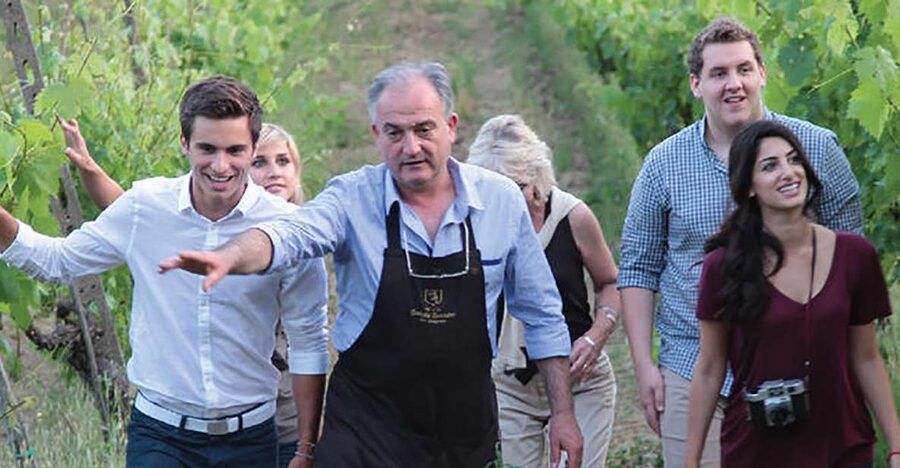
I’d book this if you want:
- A short winery visit with a clear structure
- Vineyard-to-cellar context, not just a tasting stop
- A unique visual experience in Tuscany—the spiral vineyard
- English or Italian guidance so you can follow along easily
It’s also a nice fit for mixed groups. One person can love the science of winemaking basics and another can just enjoy the countryside walk and the beauty of the spiral rows.
If you’re the type who needs deep wine technical training, this may feel more like an accessible introduction than an advanced seminar. The format is clearly aimed at broad audiences, so expect friendly explanation and a guided flow rather than dense coursework.
Should you book Tenuta Torciano’s spiral vineyard wine tasting?
Yes, you should book this if you want a compact, guided Tuscany winery experience that connects the vineyard to what ends up in your glass. The spiral vineyard is a real draw, and the added stops—barrel room, wine cellar, and tasting room—make the experience feel complete in just 1.5 hours.
Skip it only if you’re extremely weather-averse or you’re looking for a long, unhurried tour. Since walking the vines is part of the plan, comfortable shoes and a flexible attitude help a lot.
If you’re visiting San Gimignano and you want something more practical than “another beautiful view,” this is a great choice: you’ll leave with a better sense of how wine is made, plus wine you can actually talk about.
FAQ
How long is the vineyard walk and wine tasting?
The duration is 1.5 hours.
Where is the meeting point for the tour?
You meet at Tenuta Torciano Winery, Via Crocetta 16 – Loc. Ulignano, 53037 San Gimignano (Siena).
What’s included in the price?
Included are a walking tour, local guide, wine tasting, parking, tips and taxes, and an estate, vineyard, and winery tour.
Is pickup or drop-off included?
No, pickup and drop-off are not included.
What should I bring?
Wear comfortable shoes.
What happens if the weather is bad?
If conditions are adverse or temperatures are extremely low or high, the provider may change the location based on availability. If you choose not to accept the variation, the provider will not be held responsible.
What’s the cancellation window?
You can cancel up to 24 hours in advance for a full refund.