REVIEW · VENICE
Murano Burano Islands Boat Tour Glass Factory & St Erasmo Winery
Book on Viator →Operated by Walks - Italy & Spain · Bookable on Viator
If Venice had a backstage pass, it would look like this. You get Murano glassmaking, Burano’s colorful canals, and a stop at a St. Erasmo vineyard with tasting—tied together by a private boat ride through the lagoon. It’s a practical way to see three iconic islands in one go without spending your whole day figuring out water transit.
I especially like how the tour keeps moving at a smart pace: you’re not stuck on a bus, and the boat time is built in for views. I also like the small-group setup (up to 20), which makes the guide’s explanations feel more personal than the usual Venice shuffle. The main drawback to consider is that the schedule is designed for variety, so each island gets a defined window—great for highlights, less ideal if you want hours of deep, slow exploration.
This is also an all-day walking-with-a-carrying-a-bag kind of plan, with moderate walking between stops. If you’re the type who wants lots of downtime (or a long sit-down lunch between islands), you’ll need to plan your energy and snacks.
In This Review
- Key things to know before you go
- From San Zaccaria to the lagoon: how the boat shapes the day
- Murano glass factory demonstration: what you’ll really see
- Burano’s canals and lace culture: balancing guided time and browsing
- St. Erasmo vineyard walk and tasting: a quieter Venice side
- Back in Venice: where the tour leaves you and why it matters
- What’s included (and what isn’t): the real value check
- How pacing works: avoiding the “too short” feeling
- Which guide style fits this tour best
- Who should book (and who should adjust expectations)
- Should you book this Murano, Burano, and St. Erasmo experience?
- FAQ
- How long is the tour, and what time does it start?
- Is this tour in English?
- What’s the maximum group size?
- Where do I meet and where does the tour end?
- What’s included in the price?
- What happens if weather is bad?
Key things to know before you go
- Private round-trip boat transfers: the lagoon ride is part of the experience, not just transport.
- A real glass factory demonstration on Murano: you’ll see the craft tradition in action rather than only browsing shops.
- Burano’s built-in photo and strolling time: colorful houses, canals, squares, and time to shop for lace and glass.
- St. Erasmo vineyard walk + tasting: you’re not just sightseeing; you’re sampling the island’s winemaking tradition.
- Small group size (max 20): easier questions, fewer bottlenecks, and more manageable pacing.
- English-speaking guide: explanations happen in a way you can follow without straining.
From San Zaccaria to the lagoon: how the boat shapes the day
Your day starts near the Riva degli Schiavoni area, with the meeting point at the Monument to Victor Emmanuel II, followed by a short walk to the boat deck area. The tour begins at 1:15 pm, and you’ll ride out by private boat with a small group capped at 20. That “small group + boat” combo matters in Venice because the lagoon feels calmer than the streets, and you spend less time negotiating crowds.
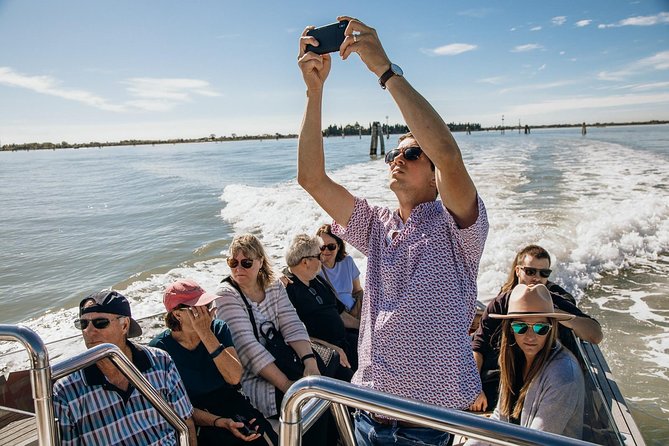
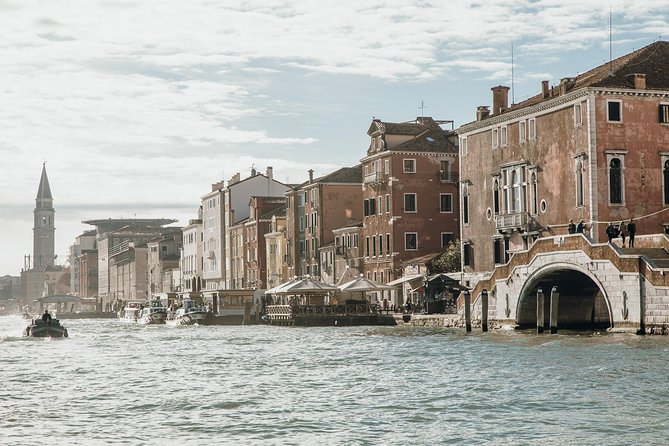
The first stretch is about 30 minutes to Murano. As you motor through the lagoon, your guide points out places of interest and shares a quick orientation on where Venice’s island communities came from. I like this kind of setup because it gives the islands context before you start taking photos or wandering on your own.
You’ll also get a return boat ride toward Piazza San Marco (specifically around San Zaccaria). The timing is short at that end—about 15 minutes by boat—so if you want more time on St. Erasmo, your guide can suggest transportation options to return later on your own.
You can also read our reviews of more tours and experiences in Venice.


Murano glass factory demonstration: what you’ll really see
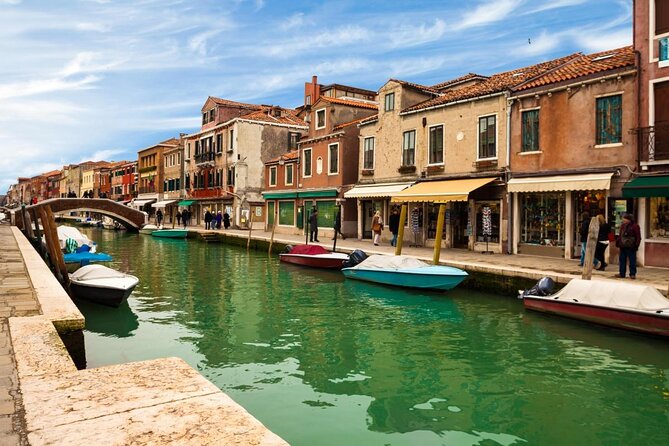
Murano is the island people come to for glass, but what makes this stop work is that you step inside a glassmaking factory for a demonstration. You’ll spend about 1 hour on Murano total, and the included admission covers both the demonstration and some free time afterward.
Here’s how to set your expectations: the factory presentation is a demonstration, not an all-day apprenticeship tour. You’ll watch artisans craft glass, which is far more engaging than just looking at finished souvenirs behind glass counters. One practical note: glass can be expensive here, and even if you’re not shopping, it helps to understand that what you see is not cheap decoration—it’s skilled work.
I also recommend bringing your “question brain” even if you feel shy. In a setting like this, a brief Q&A (if offered) can be the difference between seeing movement and understanding process. If Q&A isn’t the focus, you can still watch closely for the tools and the stages of shaping and finishing.
After the demonstration, you get free time to explore Murano at your own pace. Use that time to walk at least a little beyond the immediate factory area—Murano’s quieter corners help you see beyond the shopfront loop. And yes, this is the right moment to buy a small, affordable piece if you’ve been eyeing one.
Burano’s canals and lace culture: balancing guided time and browsing
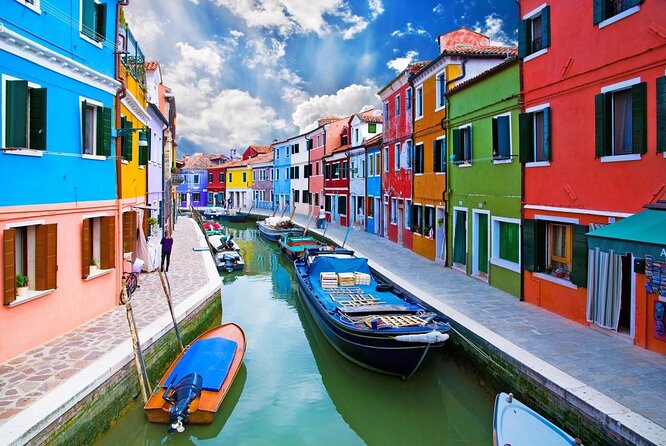
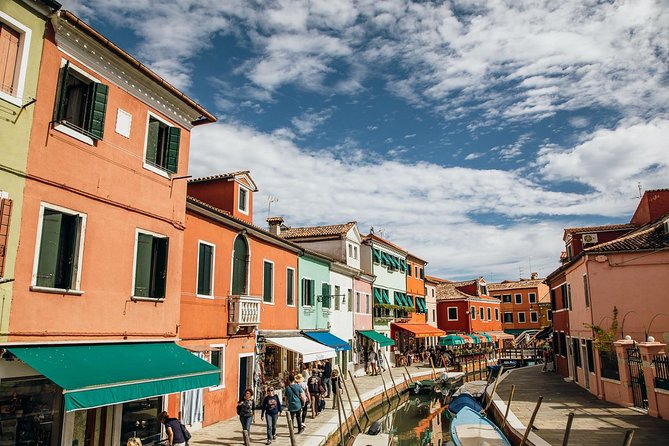
Next comes Burano, the island most people recognize for its colorful houses. You’ll have about 1 hour 15 minutes here, including a guided tour and additional time to explore independently. Burano is a World Heritage Site, and it has a deep connection to skilled craftsmanship: it’s been home to Venice’s lacemakers since the 16th century.
What I like about this stop is the way it combines information with walking. You’ll go around picture-perfect canals and squares with a guide, which helps you understand what you’re looking at rather than just snapping photos from one good angle. After that, you’ll have time to wander and visit local shops.
This is also where the “schedule versus depth” trade-off becomes real. One hour of guided strolling plus free time is plenty to enjoy Burano’s visual charm and do some shopping. It may feel short if you’re hoping to thoroughly browse multiple workshops or sit down for a long meal.
For photo-minded visitors, Burano is excellent—but don’t over-optimize. The best shots often come from slow turns and walking side streets, not from sprinting for the most famous view. If you want lace, set yourself a simple rule: decide in advance what you’re willing to buy (a small accessory versus a larger textile), so shopping doesn’t swallow your whole hour.
St. Erasmo vineyard walk and tasting: a quieter Venice side
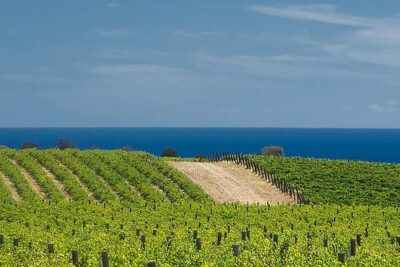
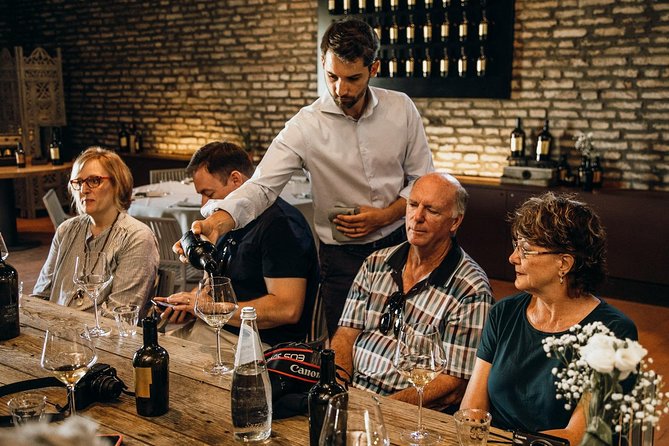
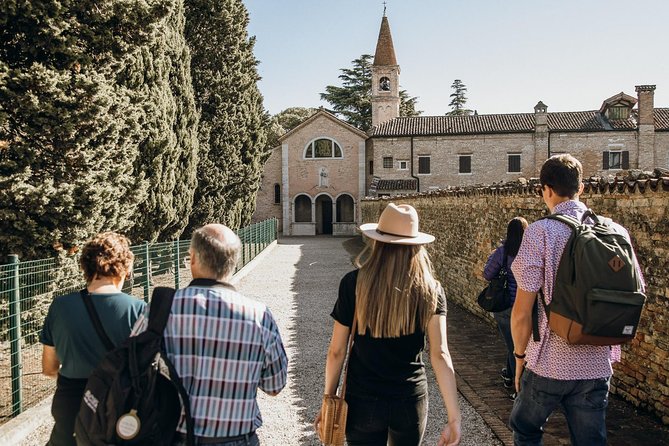
After Burano, you’ll head to St. Erasmo, which locals often describe as Venice’s vegetable garden. This quiet lagoon island is known for fertile soil and artichoke fields, and it’s also where you’ll visit a historic winery.
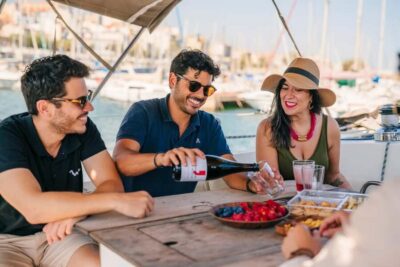
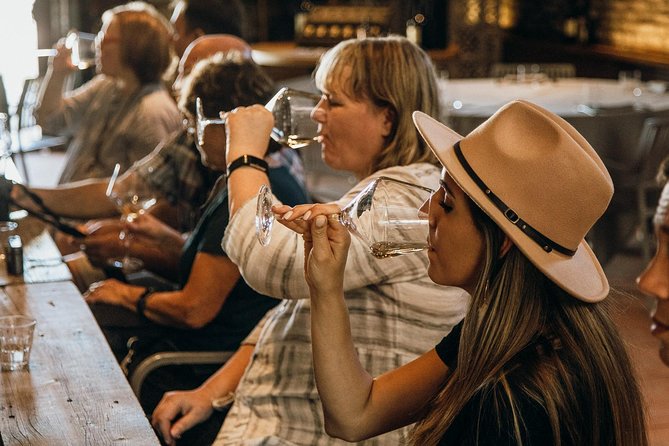
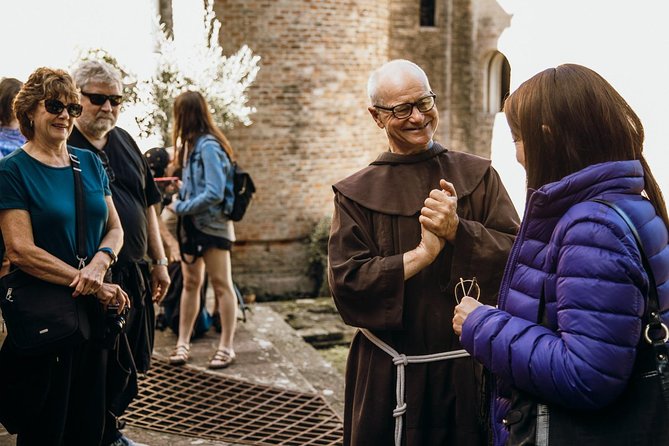
Your time here includes a walk through the vineyard followed by a tasting tied to the island’s terroir and the long winemaking tradition. The winery connection is a fun historical detail: its wines were once poured for Venetian nobility, including the Doges. That’s the kind of background that helps the tasting feel more meaningful than just another stop.
I like that St. Erasmo changes the tone of the day. After busy Burano and the glass factory atmosphere, the vineyard visit feels like a reset. It also gives the group a chance to switch from “look, photograph, shop” mode to “slow down and pay attention” mode.
A practical point: since lunch isn’t included, plan how you’ll handle meals across the afternoon. If you’re sensitive to sugar crashes, bring a snack before you arrive, because vineyard walks and tastings can be more time-sensitive than you expect when you’re moving between islands.
Back in Venice: where the tour leaves you and why it matters
The tour finishes with a scenic private boat ride back toward Venice, ending near Piazza San Marco at the San Zaccaria boat deck area. Because the return ride is short, you’re not whisked to a specific restaurant or waiting place for a set “grand finale.”
This can be a good thing. You have flexibility to head to museums, stroll through side streets, or simply absorb the late-afternoon vibe around San Marco. It can also be a mild inconvenience if you end the tour without a clear plan, because Venice doesn’t hand you a neat taxi line the way other cities do.
If you want to spend more time on St. Erasmo, the guide can share transportation options to return later on your own. That’s a helpful option if you like the slower island pace and want to extend it.
What’s included (and what isn’t): the real value check
At $131.32 per person for about 4 hours 15 minutes, this tour isn’t cheap at first glance. But you’re paying for a bundle that would be harder to stitch together cleanly on your own.
Included highlights you’re effectively buying:
- Private round-trip boat transfer between the islands and back toward San Marco
- English-speaking guide with island context while you travel
- Murano glass factory demonstration plus free time on Murano
- Guided Burano time plus free time to explore shops
- St. Erasmo vineyard tour and wine tasting
Not included:
- Lunch
- Hotel pickup/drop-off
In Venice, time is money. The biggest value here is that you’re not juggling multiple boat schedules while also trying to find the right factory or winery entry. The small-group size also keeps the day feeling manageable, which can matter as much as the sightseeing itself.
If you’re the type who already knows how to hop water buses and just wants island entrance tickets, you might be able to build a DIY plan. But if you want explanations, smooth routing, and less logistical friction, this package style tends to feel worth it.
How pacing works: avoiding the “too short” feeling
This tour is built around highlights, so each island gets a time box. Murano is about an hour with a demonstration plus time to explore. Burano is longer (about 1 hour 15 minutes) and includes a guided loop with extra wandering. St. Erasmo is about an hour, with a vineyard walk and tasting.
That structure is perfect for many first-timers because you leave with a clear sense of what makes each island famous. It can feel rushed only if you’re traveling at “one stop per hour” energy, or if you’re hoping for extensive instruction and lots of behind-the-scenes access.
One more pacing reality: the tour includes shopping time because both Murano and Burano are built around craft goods. If you prefer pure observation with minimal browsing, focus on watching how locals and artisans work through the display areas, then set a quick buying limit so you don’t lose your guided time.
Which guide style fits this tour best
This kind of Venice islands day relies heavily on the guide’s ability to connect dots while you move. In past experiences, guides such as Orsola, Emmautela, and Darya have been praised for being clear and informative on the route between islands. When the guide’s explanations land well, the lagoon rides and island walks start to feel like a story instead of separate stops.
So when you book, think about what you want from the English narration. If you’re hoping for lots of historical detail stitched into every minute, look for departures where the guide is known for strong route storytelling. If you mostly want the sights and don’t care about background, any competent guide will still get you to the key experiences.
Who should book (and who should adjust expectations)
This tour is best for you if:
- You want Murano glassmaking without spending hours hunting down the right factory
- You care about Burano’s visual identity and the craft traditions behind the scenes
- You like wine tastings that come with a location story (not just a generic pour)
- You enjoy a small group and a clear, guided plan
You might want a different format if:
- You’re looking for a long, slow day on one island rather than three highlights
- You expect an extended hands-on glass session beyond a demonstration
- You hate shopping time and would rather do a museum-only schedule
Also, remember that the tour is described as a walking tour with moderate walking. If you have mobility limitations, you’ll want to gauge whether that pacing fits your comfort level.
Should you book this Murano, Burano, and St. Erasmo experience?
I’d book it if you want a well-packaged Venice lagoon day that hits the big three: glass on Murano, color and lace culture on Burano, and vineyard wine on St. Erasmo. The boat transfers and small group size make it feel organized, and the included factory and tasting add substance beyond sightseeing photos.
I’d hesitate if you’re the kind of traveler who wants hours to linger, or if you expect a deep-dive craft masterclass with lots of uninterrupted dialogue. The tour is designed for highlights in a fixed window, so plan your expectations around a “best of” day, not an all-day artisan immersion.
If you do book, go in with two practical goals: one photo goal (choose one or two Burano viewpoints) and one shopping rule (buy one glass or one lace item max, unless you’re really sure). That way, the guided content stays the star of the day.
FAQ
How long is the tour, and what time does it start?
The tour runs for about 4 hours 15 minutes and starts at 1:15 pm.
Is this tour in English?
Yes, the tour is offered in English with a local English-speaking guide.
What’s the maximum group size?
The group is capped at 20 guests maximum.
Where do I meet and where does the tour end?
You meet at the Monument to Victor Emmanuel II on Riva degli Schiavoni (near Riva degli Schiavoni) and the tour ends at S. Marco-San Zaccaria at the San Zaccaria boat deck.
What’s included in the price?
The price includes private round-trip boat transfers, guided visits (including Burano with free time), a private glassmaking demonstration on Murano, St. Erasmo vineyard tour and wine tasting, plus admission tickets and free time on Murano. Lunch is not included.
What happens if weather is bad?
In the event of bad weather or hazardous conditions, the boat tours may be canceled at the company’s discretion for safety reasons, and no refund is provided for last-minute safety cancellations.