REVIEW · OROSEI
Vineyard Tour and Wine Tasting
Book on GetYourGuide →Operated by Cantine Donna Lina · Bookable on GetYourGuide
Cannonau can taste like anything here. At Cantine Donna Lina, I like how the organic viticulture walk turns the vineyard rows into a real lesson, and I like the 3-wine tasting that starts with a white made from red Cannonau grapes. You’ll leave with a clear sense of how Sardinian growers think, not just what to drink.
One thing to consider: this is a walking experience through the vineyard, so plan on being on your feet for the full 90 minutes.
In This Review
- Key highlights you’ll remember
- Why this 90-minute Sardinia vineyard tour feels like solid value
- Entering the vineyard: what organic viticulture looks like in real life
- Pruning, vine training, and how growers defend the vines
- The Cannonau story: grape varieties and what changes through the year
- The wine tasting: the order is part of the lesson
- 1) White wine made from red Cannonau grapes
- 2) Fresh rosé from Cannonau
- 3) Cannonau di Sardegna with intense red fruit aromas
- Logistics that matter: where to meet and what to plan
- Who this tour suits best (and who should skip it)
- Should you book Cantine Donna Lina’s vineyard tour?
- FAQ
- How long is the Vineyard Tour and Wine Tasting?
- What does it cost?
- What wines will I taste?
- What’s included in the experience?
- Where is the meeting point?
- What languages is the tour guide available in?
- Is this activity suitable for children?
- Is the tour wheelchair accessible?
Key highlights you’ll remember
- Organic viticulture, explained while you walk the rows
- A real focus on pruning and summer vs winter work
- Defense strategies against pathogenic fungi
- A tasting sequence that starts with an unusual white from Cannonau
- Small group size (max 6) for better guide attention
Why this 90-minute Sardinia vineyard tour feels like solid value
For $41 per person, you’re paying for a guided vineyard visit plus a structured tasting of three wines. That’s the big deal: you’re not just paying for pours, you’re paying for context. The best Sardinia wine experiences do that—connect the glass to what’s happening in the vines.
Ninety minutes also hits a sweet spot. It’s long enough to get practical explanations about vineyard care, but short enough that you can still plan the rest of your day on the island. If you’re doing multiple stops in Sardinia, this format makes sense.
You’ll also like the group setup: a small group capped at 6 participants. Less crowding means you can actually ask questions (or at least follow the guide’s pace without playing catch-up).
Entering the vineyard: what organic viticulture looks like in real life
You start with a walk through the vineyard rows and a guided introduction to the winery’s approach to organic Sardinian viticulture. The tour doesn’t treat organic farming like a buzzword. Instead, it frames it as a day-to-day way of working with the vines—what you do season after season, and why the choices matter.
You’ll learn how winemakers look at the vineyard through changing seasons. You’ll hear about seasonal work and different grape varieties, which helps you understand that the vineyard isn’t one uniform plant. Even within the same overall growing area, grape behavior and vineyard tasks shift with time.
This is the part of the tour that’s most useful if you’re the type who likes to connect dots. After this walk, the tasting won’t feel like random “try this, try that.” It’ll feel like you’re seeing the logic behind the wine.
Practical note: the vineyard walk is part of the experience, so comfortable shoes aren’t optional. You’ll want grip, especially if the ground is uneven or dusty.
Pruning, vine training, and how growers defend the vines
Then the tour shifts into the more technical side, and it’s explained in a way that’s easy to follow. You’ll cover winter and summer pruning, plus the reasoning behind different cultivation techniques. Even if you’re not a plant nerd, these explanations help you understand why a wine tastes a certain way. Vine structure and growing conditions influence how grapes ripen and how the winery manages flavor.
A key section is how vineyards handle disease pressure. You’ll get strategies for defending against pathogenic fungi, which matters a lot in Mediterranean climates. This isn’t fear-mongering; it’s practical farming. The point is to show how growers protect the vines while still aiming for organic principles.
Why this matters for you: when you understand pruning and protection, you start tasting with a sharper lens. You’ll catch yourself thinking things like, Is this wine from well-managed fruit? Does the structure support brightness? That’s the payoff of going beyond a typical “here’s the vineyard view” moment.
The Cannonau story: grape varieties and what changes through the year
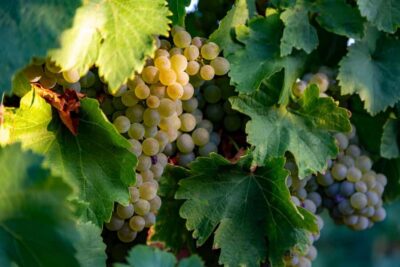
Sardinia’s identity in the glass is tied closely to Cannonau. This tour uses Cannonau in a clever way: it’s not just one wine style. It’s the same grape family showing up in different expressions.
During the vineyard portion, you’ll learn about grape varieties and seasonal vineyard work. That background makes the later tasting more satisfying, because you’ll know what you’re looking for. Instead of treating the winery’s lineup as a lineup, you’ll understand it as a sequence of decisions: what the grapes become, how the winery steers the style, and what the season likely contributes.
You’ll also learn that pruning isn’t just about cutting vines. It’s about controlling growth, balancing the vine, and creating conditions that reduce stress and support healthy grape development.
The wine tasting: the order is part of the lesson
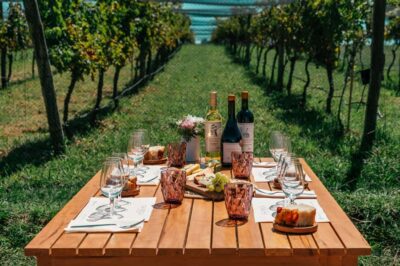
The tasting ends your visit, and it’s set up as a progression. You’ll start with an unusual choice, then move through fresher expressions, and finally finish with the classic Sardinian statement.
1) White wine made from red Cannonau grapes
First comes the curveball: a white wine made from Cannonau red grapes. This is one of those moments that makes the tour memorable, because it flips your expectations. Cannonau is often associated with red wines, so tasting it in white form helps you understand that grape variety doesn’t limit style as strictly as you might think.
2) Fresh rosé from Cannonau
Next is a fresh rosé, also made from Cannonau red grapes. This step keeps the grape connection, but shifts you toward something lighter and more direct. For me, it’s the kind of tasting sequence that teaches quickly: same grape roots, different winemaking direction.
3) Cannonau di Sardegna with intense red fruit aromas
You finish with Cannonau di Sardegna, described with intense red fruit aromas. This is the “anchor” wine. After learning how the vines are managed, it gives you a familiar baseline to compare to the earlier styles.
One extra detail: in at least one five-star experience, the wines were paired with a small sardinian snack, which is a nice touch if you want something to chew while you taste.
Logistics that matter: where to meet and what to plan
This is easy to schedule, but you do need to pay attention to the simple details.
Meeting point: 50 metri oltre il parcheggio dell azienda. In plain terms, you meet about 50 meters past the winery parking area.
Duration: 90 minutes, with starting times shown based on availability.
Group size and guide language: small group (limited to 6), and the live guide speaks English and French.
Transportation: not included, so you’ll want your own plan for getting there.
What to bring:
- Comfortable shoes
- Hat
- Camera
- Sunscreen
Not allowed: drones, littering, party groups, and bachelor or bachelorette party groups. If you’re traveling with a large celebratory crew, this isn’t the format for it.
Age note: it’s not suitable for children under 18. Since the tasting includes alcoholic beverages, you’ll need to be of legal drinking age.
Who this tour suits best (and who should skip it)
This experience fits you best if you want wine that comes with reasoning. If you enjoy learning how things are made—especially organic viticulture, pruning, and disease prevention—this tour delivers. You’ll also like it if you enjoy hands-on explanation more than just a scenic walk.
It’s also a good match if you’re the “small group” traveler. With a maximum of 6 people, the pace stays manageable, and you’re less likely to feel like you’re shouting over the crowd.
Skip it if:
- you don’t want to walk through the vineyard (it’s part of the experience)
- you’re traveling with children under 18
- you’re expecting a meal beyond the tasting (meals other than wine tasting aren’t included)
If you’re curious about Sardinia beyond beach-and-breeze wine tourism, this one gives you a real farming perspective.
Should you book Cantine Donna Lina’s vineyard tour?
Yes—if you want a high-value 90-minute session where the vineyard walk teaches you how Sardinian growers work and then you taste three Cannonau-driven wines with a smart progression. The combination of organic viticulture lessons plus the unusual tasting order (white from red Cannonau, then rosé, then Cannonau di Sardegna) makes it more than a standard tasting.
I’d pass if you hate technical explanations or you’re looking for a purely relaxing, sit-and-sip type of outing. This is a walk-and-learn format first, tasting second (even though you end with the glasses in hand).
FAQ
How long is the Vineyard Tour and Wine Tasting?
The tour lasts 90 minutes.
What does it cost?
It costs $41 per person.
What wines will I taste?
You’ll taste three wines: a white wine made from red Cannonau grapes, a fresh rosé made from Cannonau red grapes, and a Cannonau di Sardegna.
What’s included in the experience?
Included are a visit to the vineyard, an introduction to Sardinian organic viticulture, discussion of seasonal work and grape varieties, technical insights on winter and summer pruning, explanation of cultivation techniques and defense against pathogenic fungi, and the tasting of three wines.
Where is the meeting point?
The meeting point is 50 meters beyond the winery parking area.
What languages is the tour guide available in?
The live tour guide is available in English and French.
Is this activity suitable for children?
No. It is not suitable for children under 18.
Is the tour wheelchair accessible?
Yes, the tour is wheelchair accessible, but you should still plan for the fact that the experience involves walking through the vineyard, so comfortable shoes and sun protection help.