REVIEW · AMALFI
Wine tasting at the Apicella winery
Book on Viator →Operated by Unique Experience Tour Operator · Bookable on Viator
Wine tasting can be serious. This one is smart and friendly. At Cantine Apicella, you start with a short walk to the A’ Scippata prephylloxera vineyard, then head into the cellar to understand how Tramonti wine is made and tasted.
I love how the experience connects the family story to real production steps, from fermentation of red and white wines to stabilization and ageing. I also like the food pairing: tastings come with typical Tramontini bites like cheeses, cured meats, and toasted bread, so you’re not just sipping in a vacuum. One watch-out: it’s about two hours, so if you want a long, wandering wine day with lots of free time, you’ll need to plan something else afterward.
In This Review
- Key highlights you’ll actually use
- First stop: the A’ Scippata vineyard before the cellar
- Inside the cellar: how fermentation, stabilization, and ageing fit together
- The tasting itself: what’s included and how to taste with intention
- Apicella’s family story: why the 1977 moment matters on the Amalfi Coast
- Price and value for a 2-hour private experience in Tramonti
- Who should book this and who might want a different plan
- Should you book the Apicella wine tasting?
- FAQ
- Where does the wine tasting start?
- What time does the experience begin?
- How long does the experience last?
- Is this a private tour?
- Is the tour offered in English?
- Do I get a ticket on my phone?
- What happens during the vineyard visit?
- What do they explain in the cellar?
- What food is included with the tastings?
- What if the weather is bad or I need to cancel?
Key highlights you’ll actually use
- A’ Scippata prephylloxera vineyard start for a sense of place before you hit the cellar
- Clear production walkthrough covering fermentation for red and white wines, plus stabilization and ageing
- Tastings of wines in production alongside classic Tramontini food pairings
- Family-label story that begins in 1977 with around 3,000 bottles of Tramonti red wine
- Private, English-friendly pacing so you can ask questions without a crowd buzz
- Good-weather dependent outdoors time with a backup plan if weather doesn’t cooperate
First stop: the A’ Scippata vineyard before the cellar
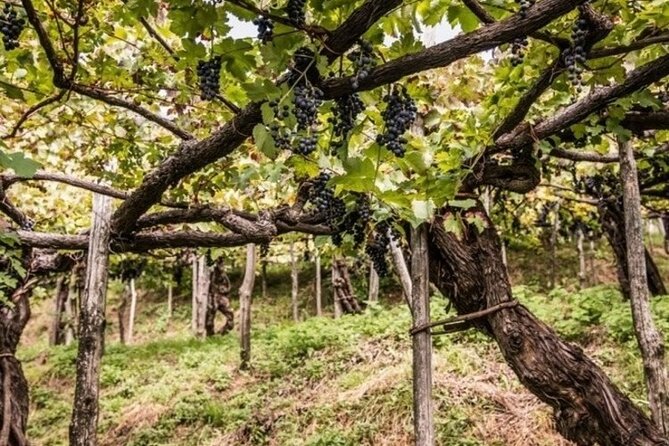
The tour begins at 11:30 am at Cantine Apicella, on Via Castello Santa Maria, 1 in Tramonti (84010, SA). From there, you’re set up for an order that makes sense: you get a little time among the vines before you talk technique. That small sequencing choice makes the whole tasting easier to follow, because you’re not learning wine terms first and geography later.
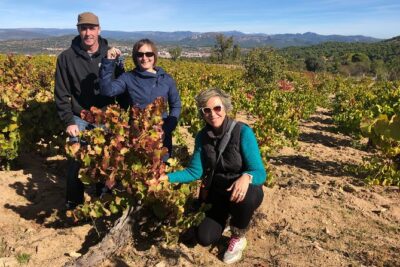
The vineyard visit is to the historic A’ Scippata prephylloxera family vineyard, described as a pergola about five minutes on foot from the cellar. Even if you’re not a hardcore viticulture nerd, a prephylloxera vineyard signals something important: the site carries a long sense of how wine farming has been done here, not just a modern production setup. It also keeps things grounded on the Amalfi Coast, where the practical challenge is always part of the story.
Expect a short, manageable walk and then time to take in what the winemaking is trying to protect. The Apicella family frames the area as a kind of agricultural lung and biodiversity safeguard. In plain terms, this is about caring for the land in a way that’s part farming and part stewardship.
Tip for you: wear shoes you’re comfortable walking in. The walk is short, but you’ll enjoy it more if you’re not thinking about your footing.
Inside the cellar: how fermentation, stabilization, and ageing fit together
After the vineyard, the tour shifts into the cellar, where the pacing turns more instructional. This is where the experience earns its money. You get an explanation of the production process, including fermentation for red and white wines, stabilization, and ageing. It’s not a vague “wine happens magically” talk. The point is to show how decisions made in the cellar shape what you taste later.
Here’s how to think about it while you listen:
- Fermentation is where the grape juice becomes wine. Knowing that the cellar handles red and white processes separately helps you understand why wines can taste so different even when they come from the same general region.
- Stabilization is the step that helps the wine behave consistently, so it can be enjoyed without odd surprises.
- Ageing is where time becomes an ingredient. Even when you don’t know the chemistry, you can usually taste the difference between a wine that’s meant to feel fresh versus one that has had time to mellow.
What I like is that you’re not just told what happens—you’re also led toward tasting wines that are in production. That structure matters. When you taste while the process is still being explained, the steps stop being abstract.
Practical note: cellar time tends to move at a steady rhythm. If you’re the kind of person who likes to ask questions, this is a good place to do it. A private group format helps you get answers instead of watching the clock.
The tasting itself: what’s included and how to taste with intention
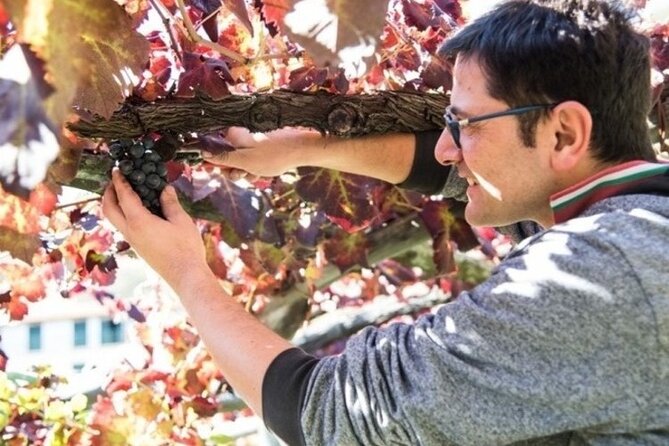
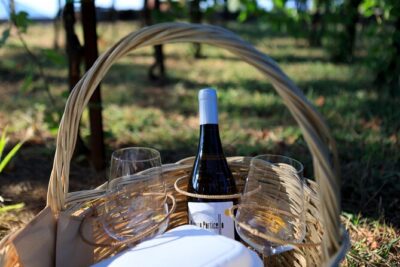
The tasting is where everything comes together: you sample the wines being discussed and paired with typical Tramontini products. The pairing list you’ll want to remember is straightforward: cheeses, cured meats, and toasted bread. These aren’t fancy afterthoughts. They’re food that matches the style of local drinking and makes the wine feel less isolated.
Because the tour covers red and white fermentation, you’ll likely notice how the wine lineup changes your palate. I’d approach it like this:
- Start by tasting one wine and describe what you feel first: dryness, fruit impression, and overall weight.
- Then compare with the next one, ideally paired with a small bite.
- Use the food to spot shifts. Cured meats and cheese can make certain flavors pop, while toasted bread can give you a steadier, grounded taste base.
Also, since the tour includes tastings “in production,” you’ll get a more working-under-the-hood feel than at some tastings where the wines seem already finished and locked away. That makes the tasting more educational and less like a sales presentation.
Little strategy for you: pace yourself. Two hours sounds short, but wine tasting can sneak up fast. Take water breaks when offered, and don’t rush the last pour just because you’re eager to be done.
Apicella’s family story: why the 1977 moment matters on the Amalfi Coast
Apicella isn’t presented as a generic brand with a logo. It’s framed as a family operation shaped by a turning point. The Apicella family cultivated the land for generations and produced excellent table wine until the early 1970s. Then Giuseppe made a move: create his own label and bottle the wine he produced.
The first vintage marketed dates to 1977, described as around 3,000 bottles of Tramonti red wine. That number matters because it gives you a sense of what “starting” looks like in real life: not a massive launch, but a focused first run that could still define a future. From there, the winery’s success is described as lasting about thirty years—so you’re tasting from a business that grew through sustained work, not just a one-season buzz.
Another key idea they emphasize is balance. Apicella is presented as a historic viticulture brand on the Amalfi Coast, and the first to bottle wine in Tramonti, while maintaining a traditional style and balancing production with the land. If you’re the kind of traveler who likes your wine with context, this is the kind of story that helps you taste more carefully.
What this means for you: you’ll leave with more than a list of favorite bottles. You’ll understand why the winery treats biodiversity and tradition like real constraints, not slogans.
Price and value for a 2-hour private experience in Tramonti
This experience costs $101.27 per person and runs for about 2 hours. It’s a private tour, meaning only your group participates. It also runs in English, with a mobile ticket you can handle on your phone.
Is it worth it? For me, the value comes from three things you don’t always get together:
- a vineyard start (not just a cellar-only stop),
- a step-by-step production explanation (fermentation of red/white, stabilization, ageing),
- and a tasting paired with local Tramontini foods (cheeses, cured meats, toasted bread).
If you’ve done wine tastings that feel like quick pours and vague descriptions, this one is built to be the opposite. You’re paying for structure and attention, not just liquid in a glass.
Booking-wise, it’s typically reserved about 93 days in advance on average, so if your dates are firm, I’d secure it early. You’ll also appreciate that free cancellation is available up to 24 hours before the start time, and the operator requires good weather. If weather ruins the plan, you’ll be offered another date or a full refund—so you’re not stuck gambling with your itinerary.
Who should book this and who might want a different plan
This tasting is a great fit if you:
- want a hands-on, explanatory wine experience rather than a quick “taste and go,”
- like the idea of pairing wines with local, simple foods,
- enjoy family-run stories tied to real production choices,
- and prefer a private group where you can ask questions.
It may be less ideal if you:
- want a full-day Amalfi wine adventure with long time to roam,
- need a lot of downtime or shopping stops built into the schedule,
- or are traveling when weather is unpredictable and you dislike any chance of rescheduling.
That said, because the vineyard portion is short and the experience is concentrated, it works well as a midday plan. Starting at 11:30 also makes it easier to build the rest of your day around lunch or a late afternoon activity.
Should you book the Apicella wine tasting?
I’d book it if you want a focused, educational tasting that connects vines to cellar choices and then to the wines you drink. The combination of the A’ Scippata prephylloxera vineyard, the production talk covering fermentation, stabilization, and ageing, and the pairing with cheeses, cured meats, and toasted bread makes this more like a guided wine lesson than a simple tasting event.
If your priority is something like scenic sightseeing first and wine second, you might feel the time is concentrated. But if wine is the main event, this is a strong bet in Tramonti.
FAQ
Where does the wine tasting start?
The tour starts at Cantine Apicella, Via Castello Santa Maria, 1, 84010 Tramonti SA, Italy.
What time does the experience begin?
The start time is 11:30 am.
How long does the experience last?
It lasts about 2 hours (approx.).
Is this a private tour?
Yes. It’s a private tour/activity, and only your group participates.
Is the tour offered in English?
Yes. The experience is offered in English.
Do I get a ticket on my phone?
You’ll receive a mobile ticket.
What happens during the vineyard visit?
You visit the historic A’ Scippata prephylloxera family vineyard, described as a pergola about five minutes away on foot from the cellar.
What do they explain in the cellar?
They explain the production process, including fermentation of red and white wines, stabilization, and ageing.
What food is included with the tastings?
The wines are accompanied by typical Tramontini products such as cheeses, cured meats, and toasted bread.
What if the weather is bad or I need to cancel?
The experience requires good weather. If it’s canceled due to poor weather, you’ll be offered a different date or a full refund. You can also cancel for a full refund up to 24 hours before the experience’s start time.