REVIEW · BEIRUT
Anjar, Baalbek & Ksara Winery
Book on Viator →Operated by Explore Lebanon Tours · Bookable on Viator
Anjar, Baalbek, and wine country in one morning-to-afternoon plan. What makes this trip click is the mix of Umayyad-era history, massive Roman architecture, and a relaxed pace with a private guide. You’ll also get a practical, door-to-door setup that keeps the day from turning into a logistics workout.
I especially love that the day is structured around the big “wow” stops—Baalbek’s Roman temples—without rushing you through everything else. I also like the option to stretch the day with Chateau Ksara, Lebanon’s oldest winery, if you want a calmer, taste-and-slow-down finish.
One thing to think about: this is a 6–8 hour day with uneven walking (small rocks around the sites), so plan for footwear and sun protection. It also requires good weather, so if conditions are rough, you may have to adjust dates.
In This Review
- Key highlights worth planning for
- How the private pickup shapes your whole day
- Anjar: the Umayyad witness you might not expect
- Baalbek’s Roman temples: what you’re really seeing in 1 hour 40
- Byblos guided stop: Phoenician ruins and souks time
- Chateau Ksara: the optional winery finish (and why it can be worth it)
- Price and logistics: is $208 good value for this day?
- Timing that works (and when to be flexible)
- Guides and the “easy going” style that people praise
- Who this tour is best for
- Should you book Anjar, Baalbek and Ksara from Beirut?
- FAQ
- How long is the Anjar, Baalbek & Ksara tour?
- What time does the tour start?
- Is pickup and drop-off included?
- What’s included in the price?
- Are meals included?
- Is the Chateau Ksara winery visit included?
- What happens if weather is bad?
Key highlights worth planning for
- Door-to-door private transfer with hotel/port pickup and drop-off
- Baalbek time with free admission ticket included in the schedule
- Anjar’s Umayyad connection for a different slice of Lebanon’s past
- A guided Byblos stop focused on Phoenician ruins and souks (admission may not be included)
- Private tour for your group only, so the pace is yours
- Optional Chateau Ksara visit at the end if you want the winery chapter
How the private pickup shapes your whole day
This tour is set up for an easy morning. You start at 8:30am with pickup in Lebanon (including hotel or port), and you come back the same day, also with drop-off in Lebanon. That matters because Baalbek-area roads and site access can eat up time if you’re doing it on your own.
You’re traveling by private vehicle, so you’re not squeezed into a bigger group’s schedule. It also means your guide can keep things running smoothly if timing shifts a bit due to road conditions or site flow.
Dress code is smart casual, but bring practical priorities. You’ll be out walking on uneven terrain with small rocks, so comfy shoes are not optional. Add a hat and sunscreen—this is one of those days where the sun does not care that your camera battery is precious.
You can also read our reviews of more tours and experiences in Beirut.
Anjar: the Umayyad witness you might not expect
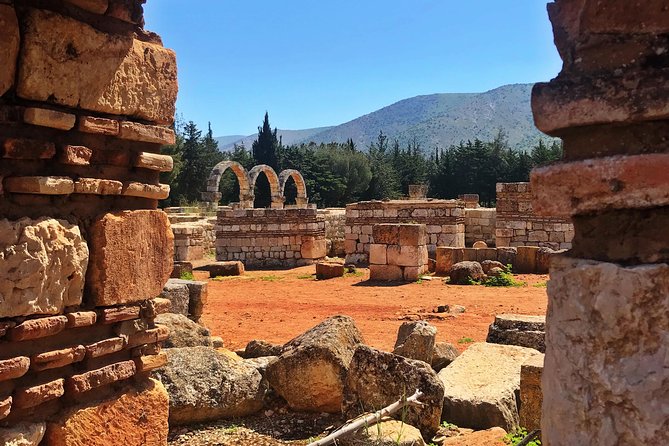
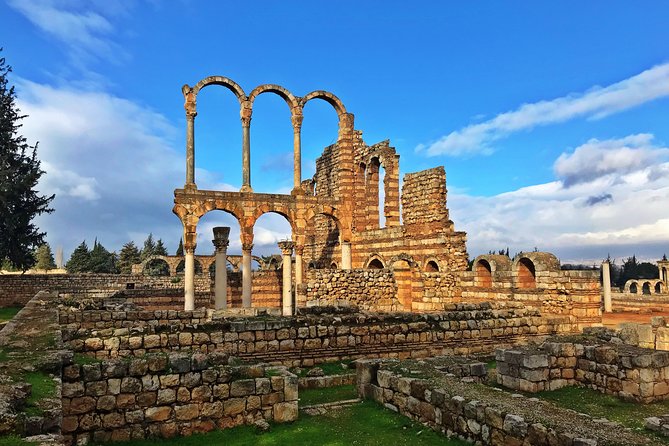
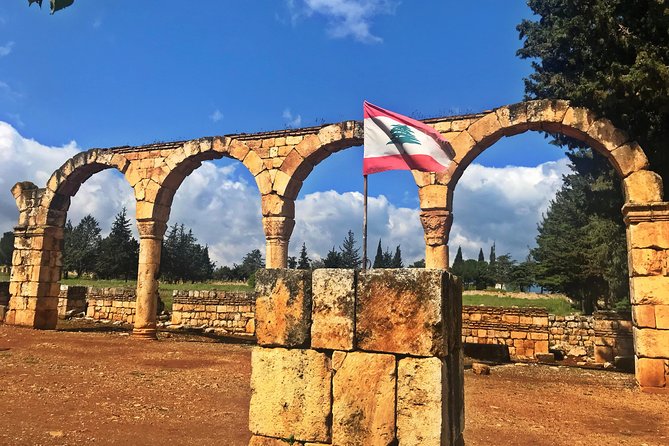
Most people plan Lebanon by theme like “Beirut food” or “Roman ruins.” Anjar breaks that pattern by pulling you toward the Umayyad civilisation—a site described here as an outstanding witness to that era.
What I like about including Anjar in a day trip like this is the contrast. Baalbek is all scale and stone. Anjar gives a different flavor: the sense of a place that carries a specific historical fingerprint, not just general ancient vibes.
You’ll also get breathing room to look around without the feel of being rushed from one landmark to the next. Even if you don’t go deep into dates and names, you’ll still come away with the feeling that Lebanon’s layers are real—and they’re not all Roman.
Practical note: because the day includes uneven outdoor walking, stick to shoes you can trust for short climbs and rocky paths. I’ve learned the hard way that sandals plus history is a bad deal.
Baalbek’s Roman temples: what you’re really seeing in 1 hour 40
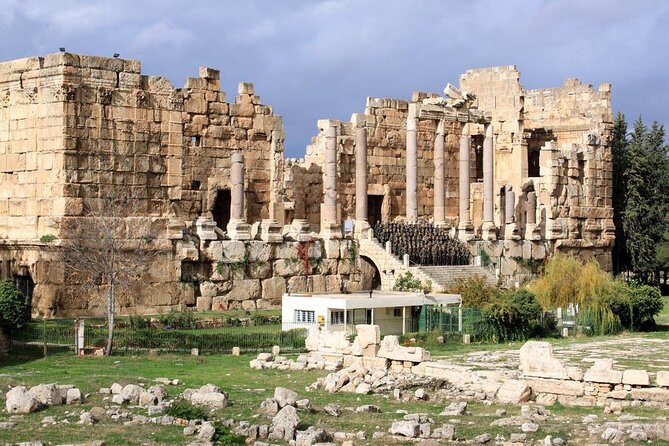
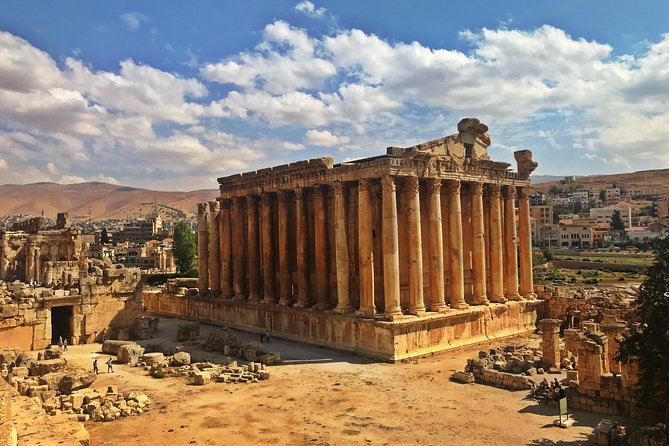
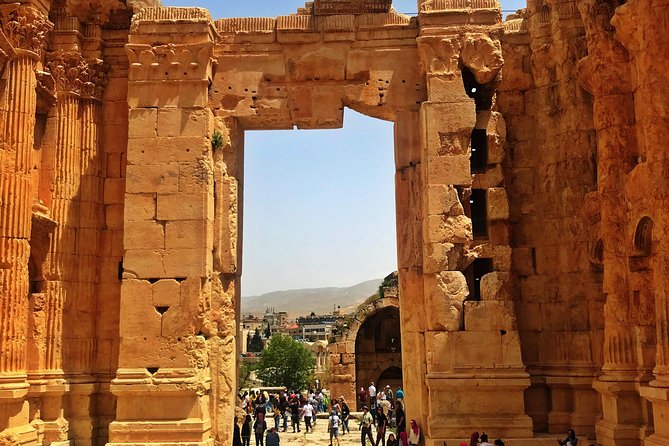
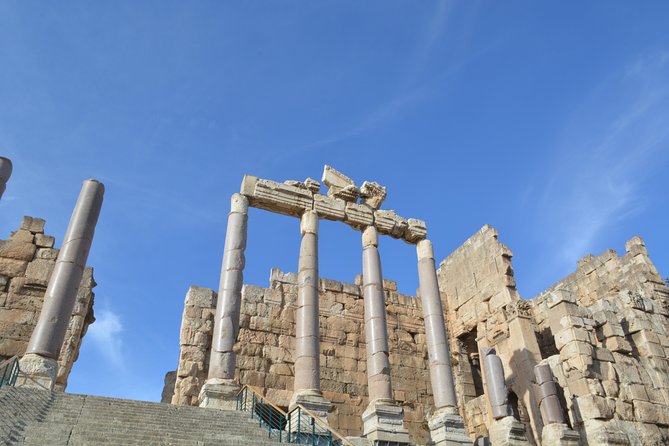
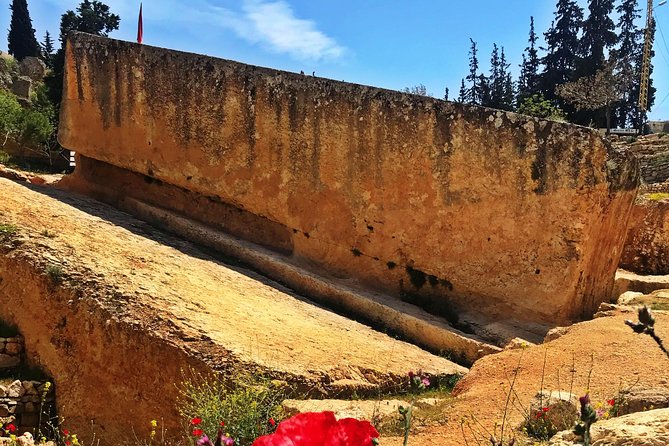
Baalbek is the headline stop, and it’s not subtle about it. The sites here are described as among the wonders of the ancient world, and home to the largest Roman temples ever built.
You’ll have 1 hour 40 minutes here, and the admission ticket is listed as free for this stop. That’s a meaningful detail for value because it helps keep the day from feeling “add-on ticket heavy.”
With this much time, you can do more than just take a few photos at ground level. The best way to experience Baalbek in that window is to choose your own rhythm:
- Spend your first part getting oriented and noticing how the temples dominate the space.
- Then slow down and look at the way the structures sit within their setting, not as isolated ruins but as a whole complex.
If you’re the type who likes architecture as much as archaeology, this is where the day earns its keep. Those giant stone masses are the kind of sight you remember when you’re back home.
Byblos guided stop: Phoenician ruins and souks time
This trip also includes a guided experience connected to Byblos. You’ll spend about 1 hour 45 minutes at this stop, and the admission ticket is listed as not included.
Why this addition works: you get a coastal-town feel layered on top of the inland ancient sites. Byblos is presented here as a place where you can see Phoenician ruins and also move through the souks atmosphere.
What to expect in a guided stop like this is a mix of structured walking and quick context—enough to connect what you’re seeing to who lived here. The time is long enough to get your bearings, but short enough to keep the day from dragging.
One small planning thing: since admission may not be included, it’s smart to keep some extra cash or card access handy for any entrance fees tied to what you’ll visit.
Chateau Ksara: the optional winery finish (and why it can be worth it)
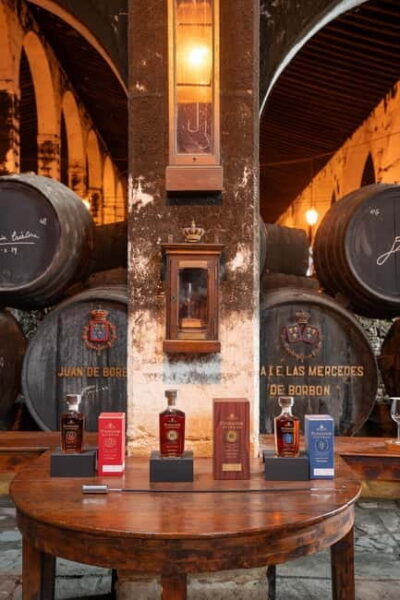
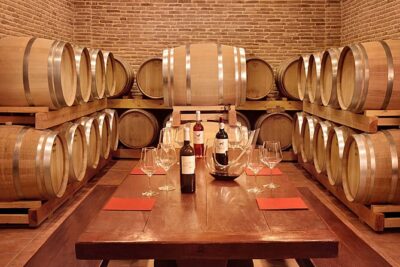
At the end of the day, you can add a visit to Chateau Ksara, described as the oldest winery in Lebanon. It’s completely optional, so you’re not locked into the winery portion if you’d rather end with the sites and head back relaxed.
If you do choose it, think of it as a different kind of travel payoff. The temples demand attention and focus. The winery stop shifts you into a slower mode—less stone, more atmosphere.
This kind of ending also balances the day. A long stretch of ancient ruins can leave your brain a bit overstimulated. A winery finish gives you a graceful landing before dinner and sleep.
If you’re traveling with people who don’t love history quite as intensely, this optional stop often helps. It’s an easy way to make the day feel like more than just a “stand and look” itinerary.
Price and logistics: is $208 good value for this day?
At $208 per person, the headline question is: what are you actually getting for that money?
Here’s what’s clearly included:
- Round-trip private transfer
- Transport by private vehicle
- Private tour
- Hotel/port pickup and drop-off
- Bottled water
What’s not included:
- Food and drinks
- Drinks
- Lunch
- All fees and taxes (with the important exception mentioned: Baalbek admission is listed as free in the schedule)
So where’s the value? You’re paying for time and comfort as much as for sightseeing. A day like this can be tough to piece together independently, especially if you’re starting from Beirut and want a smooth plan with minimal waiting.
Also, the tour includes a couple of key value anchors: the private vehicle and Baalbek admission listed as free. Those two details help offset the cost compared with arranging separate transport plus tickets.
My practical advice: budget lunch and any drinks separately. Since those are not included, it’s easiest to plan a simple lunch option near your route or pack a snack if you prefer a lighter meal day.
Timing that works (and when to be flexible)
You’re looking at 6 to 8 hours total, starting at 8:30am. That’s long enough to cover multiple major stops, but not so long that you’ll feel broken by late afternoon.
Still, build in flexibility. This tour requires good weather, and if it’s canceled due to poor weather, you’ll be offered a different date or a full refund. So if your schedule is tight, keep a little slack in your Beirut plans.
The uneven terrain detail matters too. Even “easy” ancient sites can turn into a foot-and-knee test if the ground is rocky and you’re wearing shoes that don’t grip well.
If you’re the type who likes to take your time at each stop (rather than speed-walking for photos), this schedule is a decent match. And if you want more time at one location, a private setup is the type of thing that can often help you adjust—within reason.
Guides and the “easy going” style that people praise
This is a private tour, which usually means the guide experience can make or break the day. Here, the strongest praise pattern is about personal attention and a guide who keeps things relaxed instead of rigid.
Names you may see associated with these tours include Nicola and Fawzi, plus others like Luka, Elie, and Mahdi. People consistently highlight that the guides are accommodating and willing to shape the experience around your pace, not just recite a script.
You should expect a day that’s more “go with the flow” than “checklist sprint.” That lines up with the practical tour format: private vehicle, private group, and time carved into meaningful chunks per site.
Also, bottled water is included, which sounds minor until you’re a few stops in and the day runs warmer than expected.
Who this tour is best for
This day trip is a strong choice if you:
- Want the classic Lebanon ancient anchors: Anjar + Baalbek
- Like getting a guided explanation without feeling tied to a museum-like pace
- Prefer private transport over hiring multiple rides or figuring out timing yourself
- Enjoy a mix of archaeology and a final change of scene (the optional wine visit)
It may be less ideal if you hate walking on uneven ground or want a fully food-inclusive day. Since lunch and drinks aren’t included, you’ll need to plan for that.
If you’re traveling as a couple, friends, or a small family unit, the “only your group” setup tends to feel worth it fast. If you’re solo, it can also be a good use of budget because you’re not paying extra to join a larger bus crowd.
Should you book Anjar, Baalbek and Ksara from Beirut?
I’d book this if you want a day that’s organized, comfortable, and built around major historical stops—without turning your afternoon into a travel headache. The private transfer and hotel/port pickup are the big wins, and Baalbek being scheduled with free admission is a clear value plus.
If you’re someone who wants maximum structure with zero surprises, you may want to go in with a small buffer for food/drinks since those aren’t included and for the weather factor since the tour depends on good conditions.
And if you’re on the fence about the winery part: choose Chateau Ksara only if you genuinely want that slower ending. It’s optional for a reason, and that flexibility can make the whole day feel like it’s yours.
FAQ
How long is the Anjar, Baalbek & Ksara tour?
The tour lasts about 6 to 8 hours.
What time does the tour start?
It starts at 8:30am.
Is pickup and drop-off included?
Yes. You get hotel/port pickup and drop-off, with round-trip private transfer.
What’s included in the price?
The tour price includes private transport, a private tour, hotel/port pickup and drop-off, and bottled water. A mobile ticket is also provided.
Are meals included?
No. Food, lunch, and drinks are not included.
Is the Chateau Ksara winery visit included?
It’s optional. You can add the visit to Chateau Ksara at the end if you want.
What happens if weather is bad?
The experience requires good weather. If it’s canceled due to poor weather, you’ll be offered a different date or a full refund.