REVIEW · BEIRUT
PRIVATE Tour of Baalbek Temples, Umayyad Anjar & Ksara Winery
Book on Viator →Operated by DAVE LEBANON DMC · Bookable on Viator
History, then wine, without the stress. This private day tour strings together UNESCO ruins in Baalbek and Anjar, then swaps your seat from archaeologist to wine curious, all with a guide who keeps the story moving. I especially like how the plan is built for comfort, with door-to-door pickup from your Beirut hotel so you’re not negotiating roads on your own.
What I really like is the double payoff of seeing Roman grandeur at Baalbek and then pivoting to the only Umayyad-era ruins in Lebanon at Anjar. The pacing is tight but not rushed, with dedicated time at each site instead of a frantic photo sprint.
One thing to consider: there’s no lunch included, so you’ll want to plan your day around food stops (and the winery includes tasting, but alcohol is not listed as included). If you hate “hungry at hour three” scenarios, bring snacks or budget for lunch nearby.
In This Review
- Key things I’d circle before you go
- Baalbek’s Roman Temples: why Jupiter, Bacchus, and Venus still hit hard
- Umayyad Anjar Ruins: the rare 8th-century city you can actually name
- Chateau Ksara winery: how Lebanon’s wine fits into the day
- What the private format actually changes (besides the word private)
- How long it really feels: 6 to 8 hours of steady pacing
- Getting the most out of it: small prep that pays off
- Who should book this day trip from Beirut
- Price and value: why $113.34 can make sense here
- So, should you book the Baalbek–Anjar–Ksara private tour?
Key things I’d circle before you go
- Hotel pickup and drop-off: you skip the driving and parking headache for two big UNESCO sites.
- Baalbek’s standout Roman temples: Jupiter, Bacchus, Venus, plus more at the same complex.
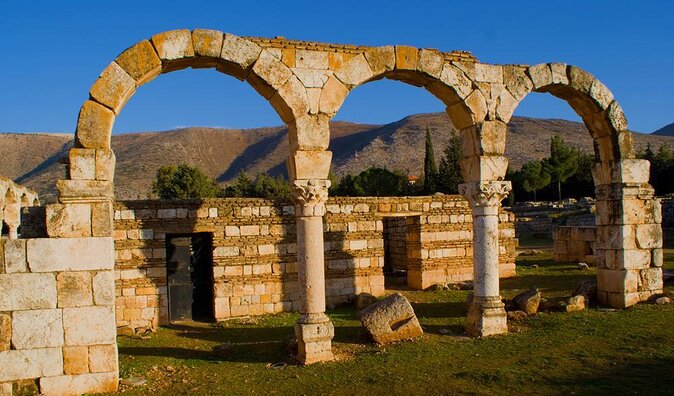
- Anjar is the Umayyad city ruins: a rare look at an 8th-century Islamic city in Lebanon.
- Chateau Ksara wine stop: a guided winery visit and tasting at one of the region’s older estates.
- Private group format: it’s just you and your party, with a guide who can pace to your questions.
- Expert storytelling from Dave: the guide’s explanations and on-the-road context are a big part of the value.
Baalbek’s Roman Temples: why Jupiter, Bacchus, and Venus still hit hard
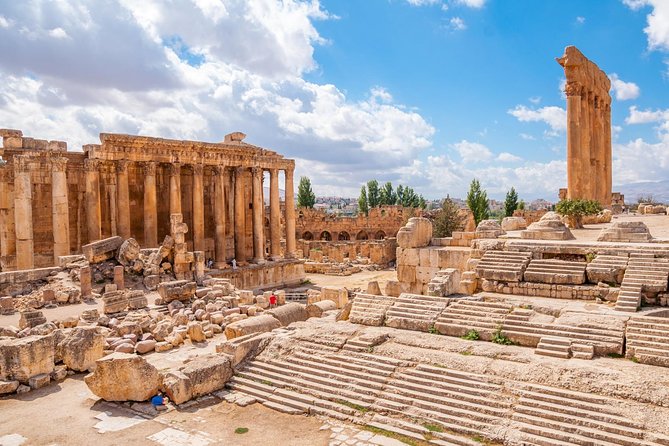
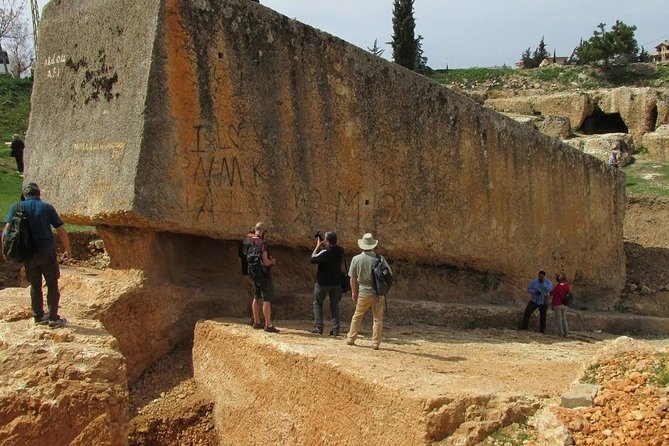
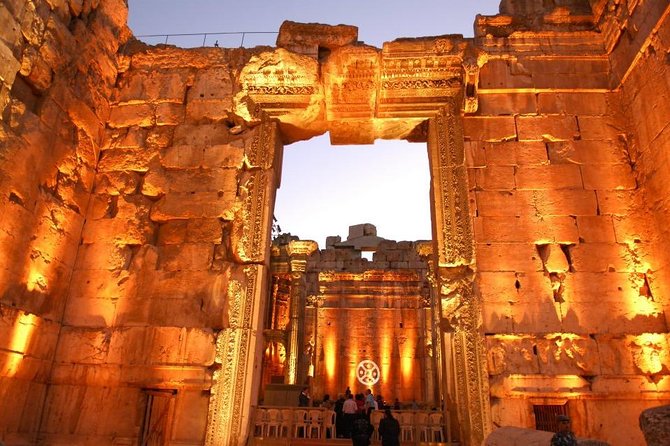
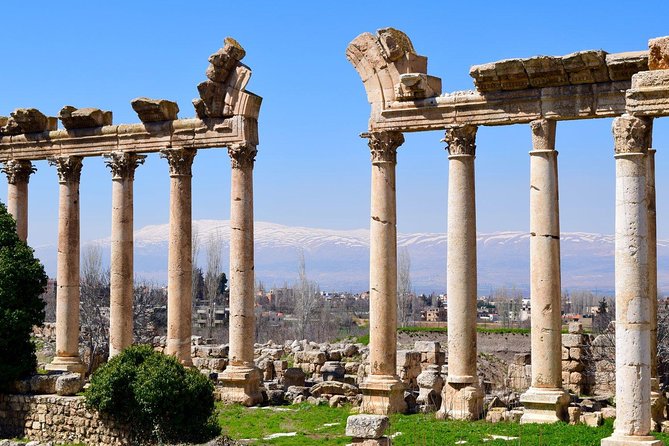
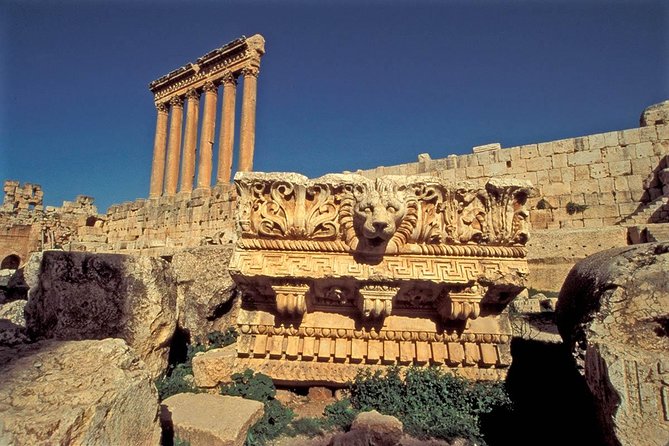
Baalbek is the kind of place where your brain keeps asking how it was built, and your camera keeps giving up. The stop is timed for about 2 hours, which is just enough to take in the scale, notice the details, and not feel like you’re standing there only to catch one perfect angle.
This is a Roman temple complex known for its major names: Jupiter, Bacchus, and Venus. Even if you know the broad facts, you’ll get more out of it with a guide who can point out what to look for—how the different temple areas relate, what the ruins suggest about power and patronage, and why Baalbek became so important in different eras.
Practical tip: wear shoes you don’t mind getting dusty. The ground can be uneven around ruins, and you’ll walk more than you think when you’re trying to see from multiple vantage points. Also, smart casual dress is listed, which is great because you’ll likely be on a mix of paved paths and open areas.
The main drawback here isn’t the site—it’s expectations. Baalbek is impressive, but it’s also partly ruin. If you want fully restored interiors, you’ll still get value from the scale and context, just don’t expect the place to feel like a museum with glass cases and guided galleries. Ruins are the point.
You can also read our reviews of more tours and experiences in Beirut.
Umayyad Anjar Ruins: the rare 8th-century city you can actually name
Then the tour shifts gears, which is exactly what makes this day worth it. Anjar is an 8th-century Umayyad city, and it’s described as the only Umayyad ruins in Lebanon. That uniqueness matters: it’s not just another set of stones. It’s a different chapter of Lebanon’s layered past.
You’ll get about 1 hour at the ruins. That sounds short until you remember you’re not just sightseeing—you’re also trying to understand the layout as a city. Anjar is a place where a good guide can help you connect the dots quickly: how the city functioned, what the fortifications and urban design suggest, and why Umayyad architecture stands out in the region’s story.
This stop is also a nice “brain break.” After the massive Roman presence at Baalbek, Anjar feels more like walking through a map. It’s a different kind of awe—less about raw monument size and more about historical context.
Practical tip: bring a light layer if it’s warm outside. The drive and open-air ruins can swing temperatures, and you’ll likely be in sun at least part of the time. If you burn easily, plan for it. This is the kind of day where you’ll want to enjoy photos without ending the tour red-faced and miserable.
Chateau Ksara winery: how Lebanon’s wine fits into the day
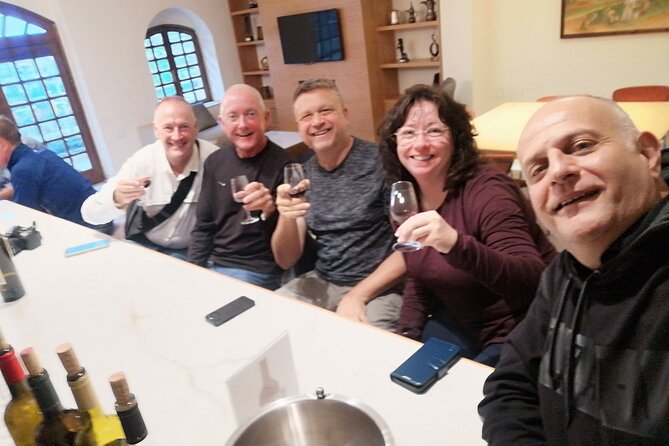
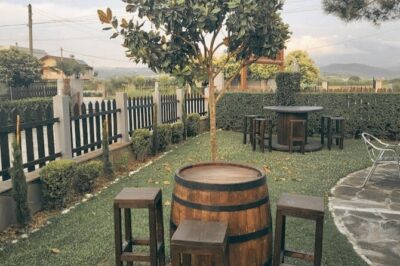
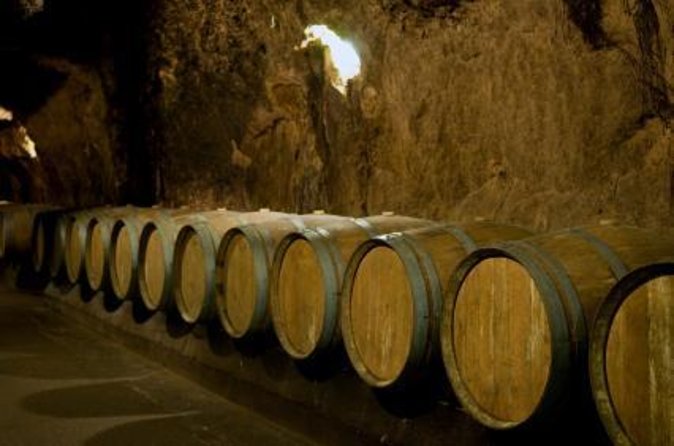
Wine tasting has a reputation for being either a fancy add-on or a quick stop you barely remember. Here, it’s more grounded. You visit Chateau Ksara, described as the oldest wine-making Chateau, and you’ll have about 1 hour for the tour and tasting.
Even if you’re not a wine nerd, the winery visit can be a cultural reset. It gives you a different pace after archaeology: less walking through ancient stone, more understanding local production and the role wine plays in Lebanon’s economy and identity.
A note on what’s listed: alcoholic beverages are not included. That doesn’t mean you’ll be forced to sip water at a vineyard stop—just that you should treat the tasting as part of the experience while remembering any extra pours or bottle purchases might be on you. The minimum drinking age is 18, so plan accordingly if you’re traveling with anyone under that age.
Practical tip: if you’re sensitive to alcohol, pace yourself. You’re still finishing a full day with driving back to Beirut, so you’ll enjoy the end of the tour more if you don’t turn the tasting into a spill-proof party.
Also, carry cash or card if you want to buy something. The day includes admissions and fees, but souvenirs usually aren’t part of that.
What the private format actually changes (besides the word private)
This is a private tour, meaning it’s only your group. That matters more than you’d think on a day like this, because the tour isn’t just a route—it’s also a conversation. When you’re not sharing the ride with strangers, your guide can spend more time on the parts you care about.
The biggest repeat theme in the experience is the guide’s performance—especially with Dave. People describe him as professional and entertaining, with expert context about Lebanon: past, present, and how different communities and eras connect. That kind of guide does two things for you. First, it keeps the drive from being dead time. Second, it helps you look at ruins with a mental framework instead of just random awe.
And because hotel pickup and drop-off are included, the private format also removes friction. You don’t have to arrange a driver for Baalbek, then another for Anjar, then another back. You roll out from your lobby, get back to your bed, and spend your energy on the day.
One practical upside: you’re less likely to lose time chasing schedules. The tour timing is structured—about 2 hours at Baalbek, about 1 hour at Anjar, and about 1 hour at Ksara—with the remaining time built around driving in and between locations.
How long it really feels: 6 to 8 hours of steady pacing
The stated duration is 6 to 8 hours (approx.), starting at 9:00 am. That range usually means drive time can shift based on traffic and the pace of visits. The plan itself is fairly balanced, but you should still expect a full day.
Here’s how I’d think about it:
- You’ll spend the morning moving from Beirut and arriving ready to walk.
- Baalbek takes your attention first—bigger, more monument-driven.
- Anjar then becomes a second historical viewpoint.
- Ksara is last, and it’s where you settle your body and mind after time on your feet.
If you plan a late dinner the same evening, you should be okay. But if you’re the type who needs frequent breaks every hour, build in some snack time and don’t pretend this is a casual half-day.
Getting the most out of it: small prep that pays off
This tour works best when you treat it as a story, not a checklist.
A few things you can do before you go:
- Keep your questions ready. A guide like Dave is most fun when you ask what you actually want to know.
- Bring water. The day includes admissions and transport, but nothing in the listing suggests water is included.
- If you care about photos, plan for sun and shadows. Ruins look different at different angles, so you’ll want a bit of wandering time (within reason).
- Pack a light layer for comfort during the ride.
Dress code is listed as smart casual, which is a good baseline. You don’t need fancy clothes, but you do want to look put-together in case you’re photographed or you simply want to feel good in photos.
Also, since this is a wine tasting stop with a minimum drinking age of 18, make sure everyone in your group understands the rules before you get there.
Who should book this day trip from Beirut
This is a strong fit for:
- People who want two UNESCO sites in one day without the stress of planning driving logistics.
- Anyone who cares about the human story behind ruins and wants a guide to explain what you’re seeing.
- Couples or small groups who would rather pay for a private vehicle than spend time figuring it out themselves.
- Travelers who like a structured day, not an all-day free-for-all.
It might not be the best fit if:
- You want long free time for wandering and independent exploration at each stop.
- You’re picky about lunch and don’t like planning for it.
- You hate wine stops entirely. The day includes a winery visit, so it’s part of the flow even if you only taste lightly.
Price and value: why $113.34 can make sense here
At $113.34 per person, the price is basically paying for three things you’d otherwise have to coordinate: a private guide/driver, round-trip hotel transportation, and admission tickets included for the key sites (Baalbek and Anjar, plus the winery visit/tasting). Add in local taxes and the fact that it’s door-to-door, and you can see where the value comes from.
If you tried to DIY this, you’d likely spend time arranging transport, then still need to figure out entry tickets and where to focus your time. This tour packages the day so you can focus on the ruins and the wine stop—not the route.
There are group discounts, too, which can make it even better if you’re traveling with friends. Private doesn’t automatically mean expensive when the bundle is already doing the heavy lifting.
So, should you book the Baalbek–Anjar–Ksara private tour?
If you want a day in Lebanon that feels both efficient and meaningful, I’d say yes. The combination of Roman Baalbek, Umayyad Anjar, and a real stop at Chateau Ksara gives you range in one clean arc. And the guide experience—especially with Dave—looks like the difference between seeing ruins and understanding them.
Book it if you’re ready for a full day, you don’t need lunch included, and you like the idea of spending the drive with someone who can explain what you’re about to see.
If you tell me your travel dates and what language you prefer for the guide, I can also suggest how to time snacks and photo stops so the day stays fun instead of tiring.