REVIEW · BRINDISI
Dinner in the vineyard with wine tasting and walk
Book on Viator →Operated by Vigna il Castagno · Bookable on Viator
Puglia does golden-hour better than most places, and this vineyard dinner turns it into a full evening. I love the way the host explains the Itria Valley grapes and wine-making during a walk, and I love the family-style pacing of the meal, from appetizers to handmade orecchiette to stove-cooked bombette. One thing to consider: if you’re vegetarian, you should confirm dietary changes early, because the menu is built around traditional dishes.
You’ll meet at Trulli il Castagno near Martina Franca, then head out for a taste of the region’s food culture before you sit down where the vines grow. The group stays small (up to 25), and the wine pairing is part of the experience, not an afterthought. If you want a quiet, slow, formal dinner with no walking at all, this may feel a bit more active than you expect.
In This Review
- Key things I think you’ll remember
- Why a vineyard dinner in the Itria Valley feels like a mini trip
- Meeting at Trulli il Castagno and catching Alberobello’s trulli
- The vineyard walk: grape-growing basics, local tradition, and a human pace
- Setting the table in the vines: wine pairings that actually match the food
- Five appetizers and the start of the tasting
- Handmade orecchiette: when timing is part of the quality
- Bombette cooked on the stove: the traditional payoff
- Dessert, sugared almonds, and rosoli to close the loop
- Price and value: why $71.20 can make sense here
- Who this experience fits best (and who might prefer something else)
- Weather, timing, and a few practical tips for an easy night
- Should you book this Brindisi-area vineyard dinner?
- FAQ
- How long is the vineyard dinner experience?
- Where does the tour start, and where does it end?
- What language is the experience offered in?
- Is this a full dinner or just wine tasting?
- How large is the group?
- What’s included in the food?
- Is a vegetarian option guaranteed?
- What if the weather is bad?
- Is the ticket mobile?
- Are service animals allowed?
Key things I think you’ll remember
- A vineyard walk with real grape talk tied to the Itria Valley and local traditions
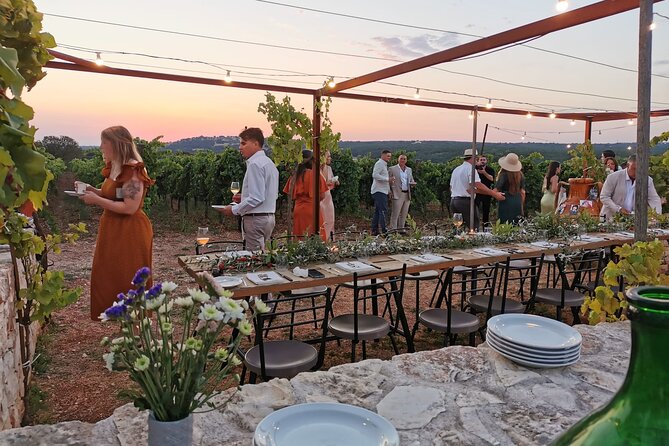
- Sunset over the Itria Valley with a long table shared by people from different countries
- Wine pairings built into every part of the meal, including white, rosé, and red
- Handmade orecchiette made just a few hours before it lands on your plate
- Bombette cooked on the stove, finished with that traditional, home-kitchen feel
- Dessert plus rosoli, a sweet herbal liqueur that feels like a proper send-off
Why a vineyard dinner in the Itria Valley feels like a mini trip
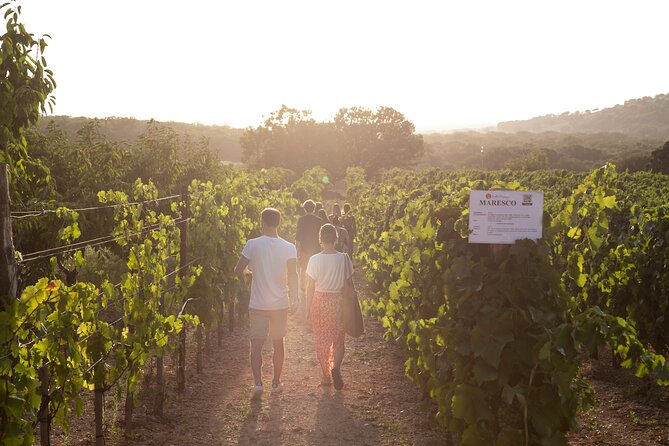
This experience is sold as dinner, but the way it’s structured makes it something more like a guided evening in the countryside. You start with a walk through vines where the host connects the dots: where grapes grow, how they’re tended, and how they turn into the wines you’ll be drinking later.
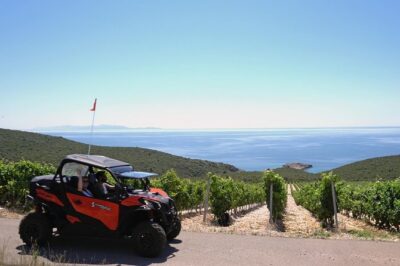
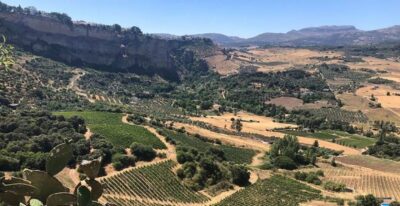
The setting matters. You’re in the hills with a view over the Itria Valley, and the timing is built around the best part of the day: that stretch of late light where the landscape looks softer and everything feels less rushed. Even if you’ve done wine tastings before, the combination here is what sticks: wine education plus traditional Apulian cooking plus sunset.
Also, the vibe is family-run rather than stage-managed. People sit together at one long table. That’s not just a seating plan; it shapes the evening. You’ll hear different languages around you, and the host keeps the tone warm and conversational.
You can also read our reviews of more tours and experiences in Brindisi.
Meeting at Trulli il Castagno and catching Alberobello’s trulli
You start at Trulli il Castagno (Strada Noci, 315 Bis, 74015 Martina Franca TA). From there, the program includes a visit to I Trulli di Alberobello, a World Heritage Site. Trulli are instantly recognizable: stone houses with that conical roof shape that’s basically become the symbol of this part of Puglia.
Why this matters for your night: it gives context before you get to the food and wine. You’re not just tasting “random Italian stuff.” You’re seeing how the region’s people built and lived in this area, and then you move into the vineyards and kitchens that keep the same traditions alive.
One practical note: this is a short, efficient evening (about 3 hours), so you shouldn’t expect a long stop or museum-style pacing. It’s more like a quick, scenic grounding before the main event.
The vineyard walk: grape-growing basics, local tradition, and a human pace
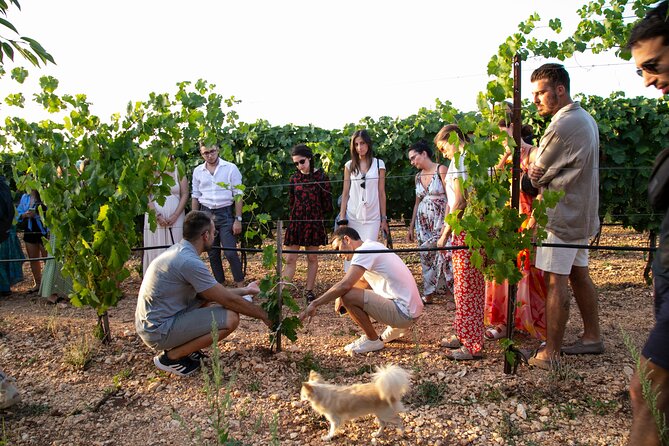
The walking part isn’t an endurance test. It’s a guided stroll through the vineyard where you learn how the Itria Valley shapes the grapes. The host talks about the history of the area, local traditions, and the practical side of grape cultivation—then connects it to what happens after harvest.
I like this part because it makes the later wine tasting easier to follow. Instead of drinking and guessing, you start to recognize what you’re tasting and why. The host explains transformation from grape to wine, so when you later get paired pours with specific courses, you can understand the logic behind the pairing.
And the setting helps. You’re not tasting in a sterile room with fluorescent lighting. You’re tasting where the grapes actually grow, and the host’s family connection comes through. In the reviews, a name that pops up is Giorgio, and people highlight him for explaining the process and outcomes with real enthusiasm.
If you don’t love walking, don’t panic. This isn’t a hike. Wear comfortable shoes anyway. Vineyard ground can be uneven, and you’ll feel better if your feet are happy.
Setting the table in the vines: wine pairings that actually match the food
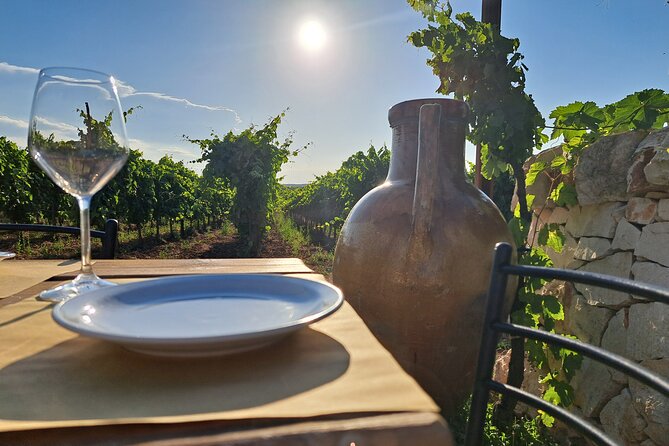
After the walk, the table is set right in the vineyard, and the evening switches from learning mode to eating mode. This is where you get the core structure of the meal: multiple courses, with two wines introduced early and then more pairings as the food progresses.
The rhythm goes like this:
- You start with five appetizers, each paired with the first part of the wine lineup.
- Then comes homemade orecchiette, made shortly before serving.
- Finally, you get the signature tradition: bombette, cooked on the stove, not just reheated or plated cold.
What I like about this flow is that it feels like an actual meal, not a tasting parade. You’re not stuck with just small bites and tiny sips. You’ll eat enough to feel satisfied, and you’ll taste enough to feel educated.
Also, the wine choices are broad enough to keep things interesting. The program mentions using white, rosé, and red across the dinner, so you’re not stuck in one style the whole night.
Five appetizers and the start of the tasting
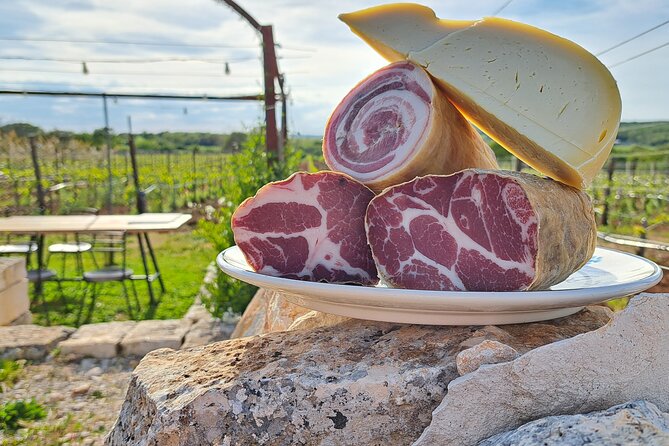
The appetizer stage focuses on typical Apulian flavors. One of the starters you can expect is broad bean purée, plus focaccia from Bari with tomato or onion. There are also seasonal products included.
Even though appetizers sound light, the key here is pairing. You’ll be given wine alongside these first bites, and you’ll likely notice how the wines shift with each flavor type—creamy, savory, bread-based, and seasonal vegetables/ingredients.
This is a good part of the night to pace yourself. If you tend to drink fast during tastings, slow down here. The later courses are the heavier hitters, especially the orecchiette and bombette.
Handmade orecchiette: when timing is part of the quality
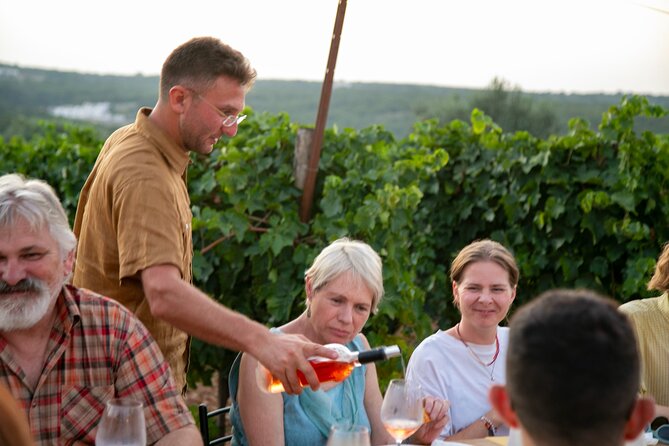
Then the food becomes the headline. You’ll have homemade orecchiette, and an important detail is that it’s made a few hours before you eat it. That time window is why the pasta experience matters: it’s fresh enough to taste like it, not like something that’s been sitting around.
Orecchiette means little ears, and the shape isn’t just cute. It’s practical: it holds onto sauce and flavors. In this setting, you’re eating pasta that feels like it belongs in a family kitchen—served in the open air, with the wine pairing guiding your palate.
If you’re the type who thinks wine and food should be about balance, not rules, this course is where that becomes clear.
Bombette cooked on the stove: the traditional payoff
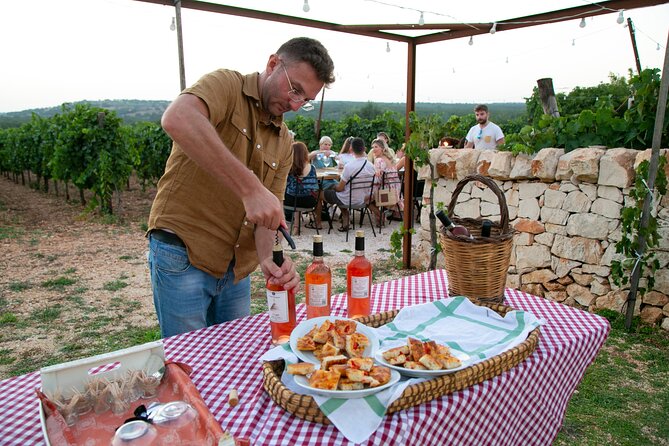
After orecchiette, the dinner takes a traditional turn with bombette and meat cooked on the stove. Bombette are strongly associated with Apulia, and the fact that they’re cooked on the stove as part of the evening matters.
It gives you that home-cooking energy: warmth, smell, and a sense that something is being finished for you, not just plated. In reviews, people repeatedly call out the overall experience as family-run and highlight the wine-food combination. That stove-cooked element is one reason the meal doesn’t feel generic.
One consideration: if you avoid meat, this is the hardest part to adapt. The menu as described is Apulian and meat-forward at the main course stage, so don’t assume you’ll get a standard vegetarian replacement without confirming ahead of time.
Dessert, sugared almonds, and rosoli to close the loop
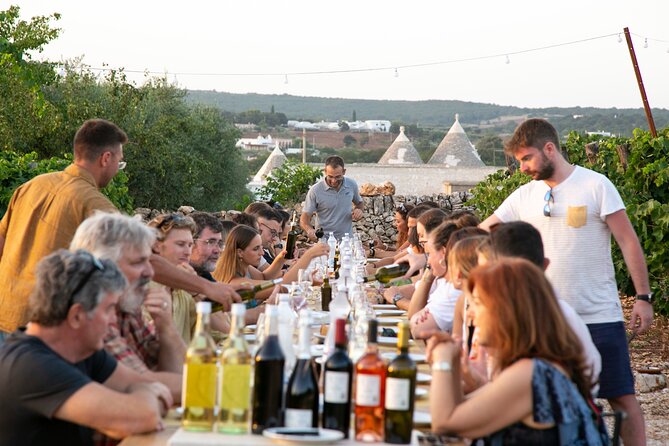
To finish, you’ll have dessert plus rosoli. Dessert includes sugared almonds, a classic sweet that works well after wine and savory courses. Rosoli adds another layer: a sweet herbal liqueur that’s tied to local tradition.
This ending matters because it signals the evening is complete, not just “another pour.” In a lot of wine experiences, dessert feels like an afterthought. Here it’s part of the pacing, which is exactly what you want when you’re spending your evening in the countryside.
Price and value: why $71.20 can make sense here
At $71.20 per person, this is not a casual dinner deal. But in context, it’s priced like a full experience: vineyard walk, wine tastings/pairings, multiple courses, and the effort of cooking and serving outside.
Here’s what you’re getting for that money:
- Guided vineyard walk with explanations
- Food that goes beyond a snack—appetizers plus pasta plus bombette
- Wine included with the meal, including different styles (white, rosé, red)
- Dessert and rosoli to wrap up
Where value really shows up is in the combination. You’re not paying separately for a tour, a wine tasting, and a separate restaurant dinner. You’re buying one evening with one host team, in one setting, with one consistent theme: Apulian food and wine in the Itria Valley.
If you’re comparing against restaurant meals, remember that the “extras” here are the pairing and the guided context in the vineyard. If you love learning while you eat, that’s where the price earns its keep.
Who this experience fits best (and who might prefer something else)
This is a great fit if you:
- Like your wine experiences to have a story
- Want traditional Apulian food without hunting it down yourself
- Enjoy meeting people at a shared table (the evening is set up for that)
- Care about timing, like sunset and fresh-feeling pasta made only a few hours before serving
It might be less ideal if you:
- Need a vegetarian meal guaranteed without advance confirmation
- Don’t want any walking or prefer a completely sedentary evening
- Expect a quiet, private dining setup. This is social by design.
Because the group is capped at 25 people, it stays personal enough. It doesn’t turn into a bus tour where you barely see anyone.
Weather, timing, and a few practical tips for an easy night
This experience requires good weather. That means you should expect the operator to be sensitive about rain or poor conditions. If the weather doesn’t cooperate, you’ll be offered another date or a full refund.
Timing is another quiet variable. You’re enjoying sunset between the hills, so arrive expecting the evening will follow daylight as the guide. If you’re sensitive to late sunsets, plan your day accordingly so you’re not rushing across town.
Practical tips that help most people:
- Wear comfortable shoes for the vineyard walk
- Bring a light layer. Even in summer, evenings in hilly areas can feel cooler once the sun drops
- If you have allergies or strict dietary needs, message ahead and make sure your request is understood before you go
Also, service animals are allowed, and the tour is offered in English.
Should you book this Brindisi-area vineyard dinner?
I’d book it if you want an evening that connects place + food + wine without feeling like homework. The vineyard walk gives you context, the meal is built around Apulia (including handmade orecchiette and stove-cooked bombette), and the sunset setting makes the whole thing memorable.
Skip it or ask tougher questions first if you need a vegetarian meal or you dislike any walking at all. But for most people who enjoy wine pairings and local cooking in Puglia, this is a strong value: one host, one small group, and a real “sit down and taste” experience in the Itria Valley.
FAQ
How long is the vineyard dinner experience?
It lasts about 3 hours.
Where does the tour start, and where does it end?
It starts at Trulli il Castagno, Strada Noci, 315 Bis, 74015 Martina Franca TA, Italy and ends back at the same meeting point.
What language is the experience offered in?
The experience is offered in English.
Is this a full dinner or just wine tasting?
It’s more than wine tasting. You’ll do a vineyard walk, then eat a multi-course Apulian meal with wine pairings, ending with dessert and rosoli.
How large is the group?
The experience has a maximum of 25 travelers.
What’s included in the food?
The menu includes items such as broad bean purée, focaccia from Bari (tomato or onion), seasonal products, homemade orecchiette, bombette and meat cooked on the stove, and sugared almonds. Dessert and rosoli are also included.
Is a vegetarian option guaranteed?
The menu is described as traditional Apulian with specific courses that include meat. If you’re vegetarian, you should confirm your dietary needs in advance.
What if the weather is bad?
This experience requires good weather. If it’s canceled due to poor weather, you’ll be offered a different date or a full refund.
Is the ticket mobile?
Yes, you’ll receive a mobile ticket.
Are service animals allowed?
Yes, service animals are allowed.