REVIEW · PISA
Pisa: Winery Tour and Wine Tasting with Local Food Pairing
Book on GetYourGuide →Operated by Cesarine · Bookable on GetYourGuide
Three sips and a cellar tour in Tuscany? I really liked the vineyard walk and the way it links grapes to the calendar, and I also enjoyed the local food pairing that turns tasting into a real meal. The one thing to weigh is that the whole experience is 2 hours, so wine nerds who want a longer, slower deep lesson may feel slightly rushed.
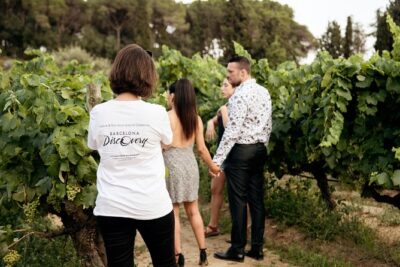
What makes this one different starts with the guide. With Giorgia (the daughter and on-site guide), the mood stays relaxed but focused, and she explains what matters between harvests, in plain language. Because the group is capped at 10 people, you get enough attention to ask questions without turning it into a classroom.
In This Review
- Quick hits you will care about
- Tuscany outside Pisa: what the visit is really like
- The vineyard tour: seasonal work you can actually picture
- Cellar visit: aging and materials, explained in real terms
- The tasting lineup: 3 IGT wines plus a full Tuscan plate
- Food pairing: bruschetta with olive oil, then cold cuts and cheese
- Your guide matters: Giorgia’s family-run storytelling
- Group size and pacing: what 10 people feels like
- Language: Italian and English, plus easy-to-follow explanations
- Price and value: what $41 buys you in Tuscany
- Who should book this Pisa-area tasting
- Planning notes that will save you hassle
- Should you book this winery tour?
- FAQ
- Where does the tour take place?
- How long is the experience?
- What wines are included in the tasting?
- What food is included with the wine tasting?
- How big is the group?
- What languages are offered?
- How do allergies or food intolerances work?
- What if my plans change?
Quick hits you will care about
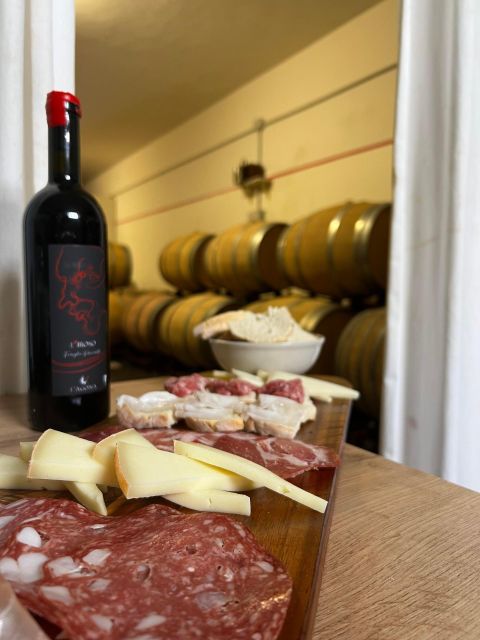
- Small group (max 10) keeps questions flowing and the pace comfortable.
- Vineyard + cellar: you see the grapes first, then the aging setup, then you taste.
- Three wines in one session: IGT Costa Toscana Rosso 2022, IGT Sangiovese Toscana 2020, and IGT Merlot Toscana 2020.
- Food pairing included: bruschetta with local extra virgin olive oil plus a platter of regional cold cuts and cheeses.
- Family-run feel: the best part is the human side—how the work gets done and why they do it.
- Languages: Italian and English, so you can follow along without guessing.
Tuscany outside Pisa: what the visit is really like
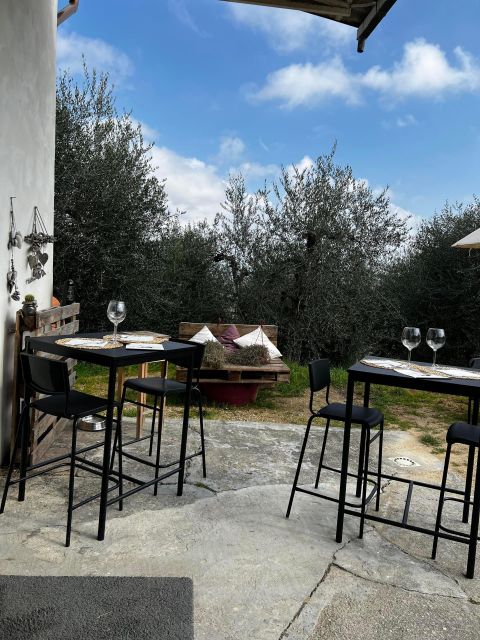
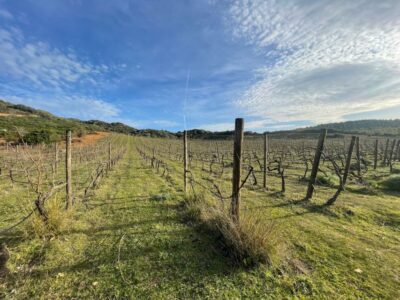
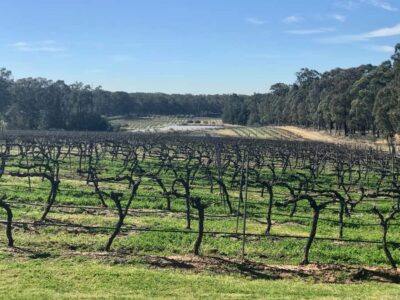
This is a winery experience on the outskirts of Pisa, built for people who want more than a quick sip at a bar. You’ll start outdoors with a walk through the vineyard rows, then move inside to the cellar, and finally sit down for the tasting with food.
In real life, that order matters. Grapes don’t taste like wine yet—they’re still in “work mode.” Seeing the vines and learning about what changes between harvests helps you understand why the finished bottles taste the way they do. Then, when you get into the cellar, the conversation shifts to the techniques and materials used for winemaking and aging, which makes the tasting feel less random and more connected.
You can also read our reviews of more tours and experiences in Pisa.

The vineyard tour: seasonal work you can actually picture
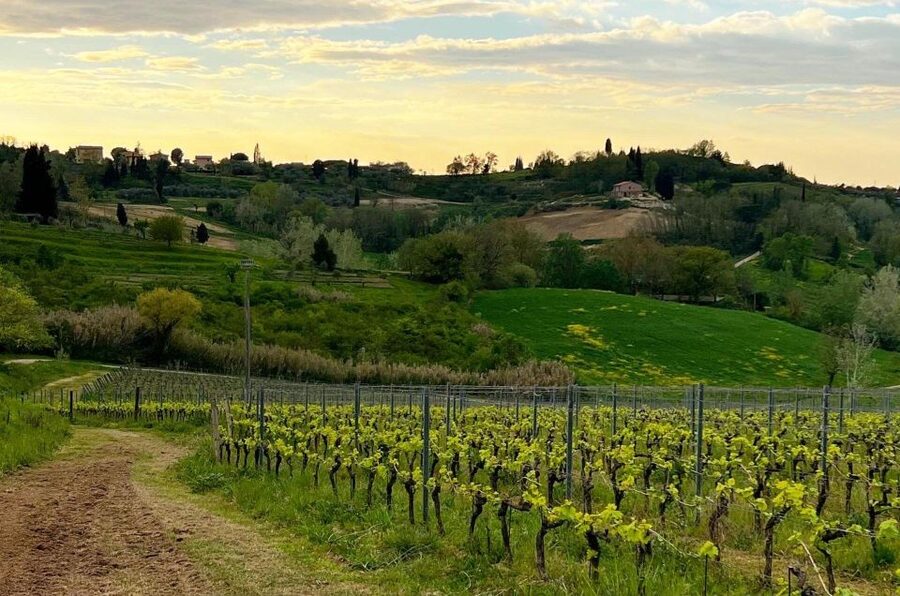
Your tour begins with a guided stroll through the vineyard. Expect to learn about the seasonal processes that happen between harvests—what changes in the vines over time and why those changes affect the end result.
If you’re the type who normally walks through vineyards without thinking much, this part helps you slow down. You start noticing details like where vines are growing, how the vineyard cycle influences ripeness, and why timing isn’t just a calendar date—it affects flavor and balance.
One smart way to use this segment: ask Giorgia what her family watches for during the season. Even though the tour is only 2 hours total, a good question can make the rest of the tasting click.
Cellar visit: aging and materials, explained in real terms
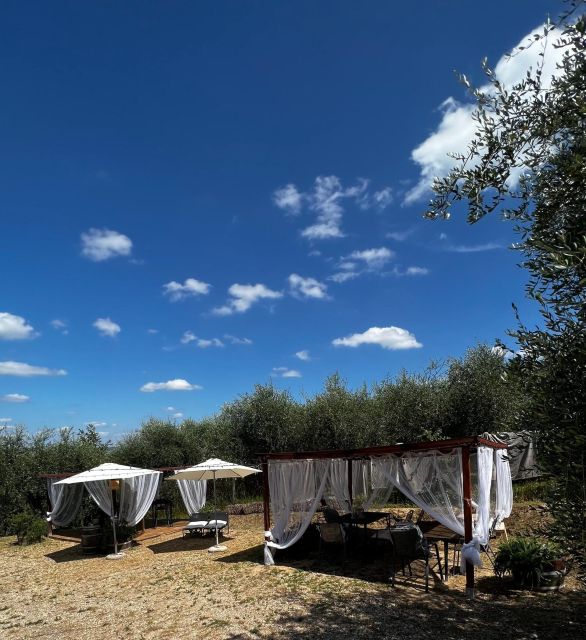
After the vineyard, you’ll head into the cellar. This is where the tour turns practical: you’ll learn about the winemaking techniques used by the winery and the materials involved in aging, along with what happens to the wine as it rests.
Why this matters: you taste three wines in one sitting, and they aren’t all built the same way. When you understand the logic behind aging—how they manage transformation over time—you’ll likely taste less confusion and more “oh, that’s what they meant.”
You should also pay attention to how the cellar visit is presented. The vibe here is personal and family-focused, not robotic. That makes it easier to remember key points without needing to take notes.
The tasting lineup: 3 IGT wines plus a full Tuscan plate
The heart of the experience is the wine tasting of three wines:
- IGT Costa Toscana Rosso 2022
- IGT Sangiovese Toscana 2020
- IGT Merlot Toscana 2020
Each glass is a chance to compare styles. The standout benefit is that you’re tasting wines from different angles—without having to hop from one winery to another. You’ll get a clearer sense of how Tuscany expresses itself through grape choice and aging choices.
Here’s what I think makes the lineup work for most people: you’re not only tasting what’s trendy or only tasting one grape. By the end, you’re better at describing differences yourself—how one feels lighter or bolder, more fruit-forward or more structured—because you’ve been guided from vineyard to cellar first.
Food pairing: bruschetta with olive oil, then cold cuts and cheese
You don’t just get wine. You get food pairing that fits the region and the mood of the winery.
Included are:
- Bruschetta with local extra virgin olive oil
- A platter of regional cold cuts and cheeses
- Bread and water
This part is underrated. Bruschetta and olive oil make a great starting point because they bring salt, aroma, and texture into the mix right away. Then the cold cuts and cheese add fat and savory flavors that help you notice how the wines handle richness.
If you’ve ever found wine tasting frustrating—too much focusing on the glass and not enough on taste—this pairing fixes that. It also gives you a calmer rhythm between pours, so you’re not just swallowing wine and moving on.
Your guide matters: Giorgia’s family-run storytelling
The most consistent praise for this experience is how welcoming and personable the guide is. In particular, Giorgia—described as the daughter and hofübernehmerin (the daughter and successor)—is central to the feel of the tour.
What you should expect from her style:
- friendly, warm explanations
- clear love for the family winery and the work behind it
- casual conversation, not stiff lecturing
One practical bonus: you can often get help finding the winery before you arrive. That matters in the countryside, where signage can be limited and roads can feel like a puzzle. When someone guides you smoothly before the tour even starts, you arrive more relaxed and ready to taste.
Group size and pacing: what 10 people feels like
This is a small group experience with a limit of 10 participants. In practice, that means the tour can move at a comfortable pace without you feeling like you’re part of a factory line.
You get enough time to ask questions during the vineyard and cellar segments, and then you’re seated for the tasting without the usual long gaps between people being served. It’s also easier to compare notes with others in a normal human way—without turning it into a loud group event.
For many people, this is the sweet spot. If you hate crowded tours, you’ll likely appreciate the intimacy. If you love meeting other travelers, it’s still social, but not chaotic.
Language: Italian and English, plus easy-to-follow explanations
The tour is offered with an instructor who speaks Italian and English. That’s important because wine tours can get heavy with technical words fast.
Even without inventing extra details, the structure here helps: vineyard tour first, cellar second, tasting third. That gives your brain a roadmap, so you can follow the explanation even when vocabulary gets wine-specific.
If you want maximum value, come with one or two questions ready, like:
- What changes between harvests most affects the wine?
- What in the cellar most influences aging taste?
Price and value: what $41 buys you in Tuscany
At $41 per person for a 2-hour experience, you’re paying for a full package: vineyard tour, cellar visit, tasting of three wines, and Tuscan food pairing (bruschetta, olive oil, cold cuts, cheese) plus bread and water.
Whether it feels like a bargain or just fair depends on what you compare it to. If you usually do wine tastings without the vineyard and cellar access, you’ll likely feel this offers more “tour” for your money. If you’re used to long, multi-stop tours, the short 2-hour timing may feel like less time—but you still get the main course of the experience in one stop.
My take: the best value here is that you taste with context. You don’t leave with three random glasses; you leave with an explanation of what the winery does, where the grapes come from, and how aging ties to flavor.
Who should book this Pisa-area tasting
This experience is a strong fit if:
- you want a short, well-paced wine outing (2 hours)
- you like understanding how wine is made, not just drinking it
- you want included local food pairing, not only tastings
- you prefer a small group size (10 people max)
- you’re visiting Pisa and want a Tuscany stop that feels rural and real
It might be less ideal if you’re the type who needs a marathon session, lots of technical detail, or time to purchase bottles while the tour runs. The experience is focused: see, taste, eat, learn—then you’re done.
Planning notes that will save you hassle
Meeting point details are shared after you book, because it’s held at a local’s location and they keep the full address private until then. That’s common for countryside hosts.
Also, you’ll need to provide any food intolerance or allergy info at booking (or by email with your booking reference and name). Since the menu includes bread, olive oil bruschetta, and a platter of cold cuts and cheeses, this is the part that matters most for your comfort and safety.
Should you book this winery tour?
If you want a Tuscany wine tasting that feels personal, with the vineyard and cellar included, and you like the idea of tasting three IGT wines alongside real local food, I’d book it. The combination of small-group attention plus the vineyard-to-cellar-to-glass flow makes it easier to enjoy and easier to remember.
Book it especially if:
- you’re on the Pisa side of Tuscany and want an easy countryside plan
- you appreciate guides who make the work human and understandable
- you want food pairing included, not added on later
Skip it if you know you want a longer format or you’re planning to shop for bottles as a main goal during the tour time.
FAQ
Where does the tour take place?
It’s held at a local’s location on the outskirts of Pisa. You only receive the full address after you book.
How long is the experience?
The duration is 2 hours.
What wines are included in the tasting?
You’ll taste three wines: IGT Costa Toscana Rosso 2022, IGT Sangiovese Toscana 2020, and IGT Merlot Toscana 2020.
What food is included with the wine tasting?
You’ll get bruschetta with local extra virgin olive oil, a platter of regional cold cuts and cheeses, plus bread and water.
How big is the group?
The group is small, limited to 10 participants.
What languages are offered?
The instructor speaks Italian and English.
How do allergies or food intolerances work?
You’re asked to share food intolerance and allergy details at booking (or by email with your booking reference and name), so the host can prepare for you.
What if my plans change?
You can cancel up to 24 hours in advance for a full refund, and you can reserve now and pay later to keep flexibility.